The Taliban government brought security and stability but is facing increasing alienation of the general population.
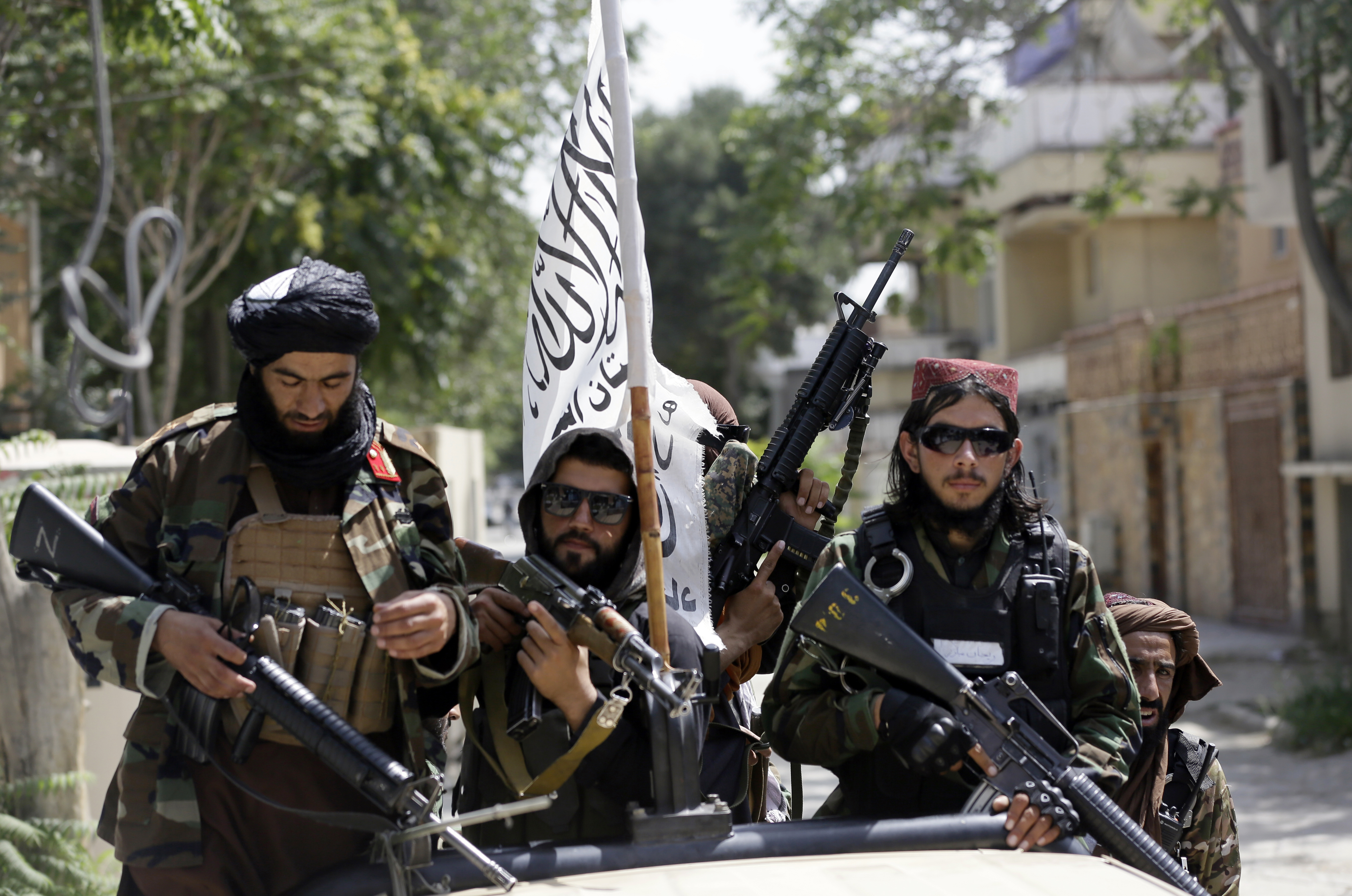

The Taliban government brought security and stability but is facing increasing alienation of the general population.
Refusing to see insurgencies’ roots, using ‘terrorism’ labels, and scapegoating neighbours are not winning strategies.
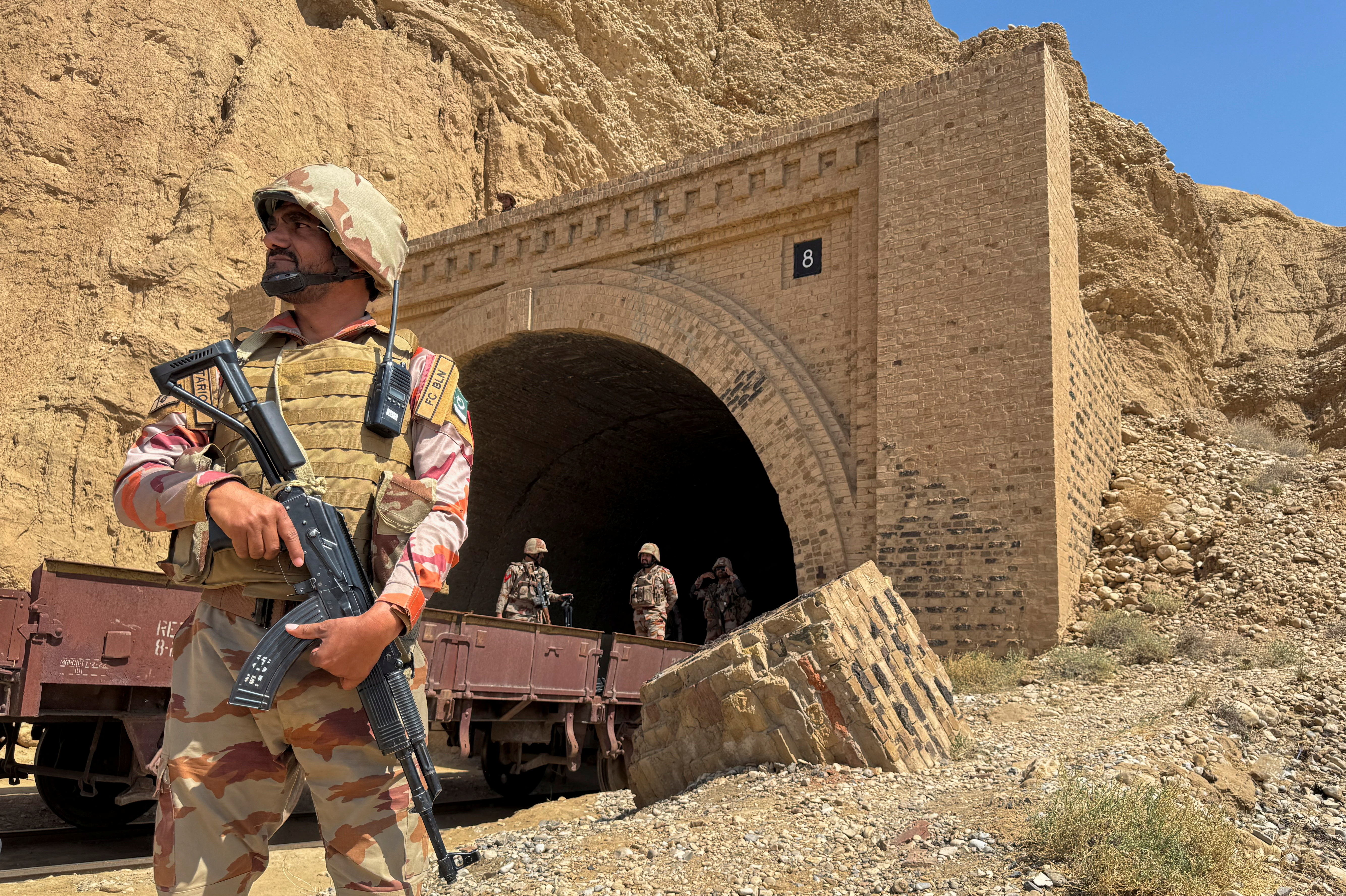
The Taliban does not want to share power with warlords and corrupt former officials and neither do Afghans.
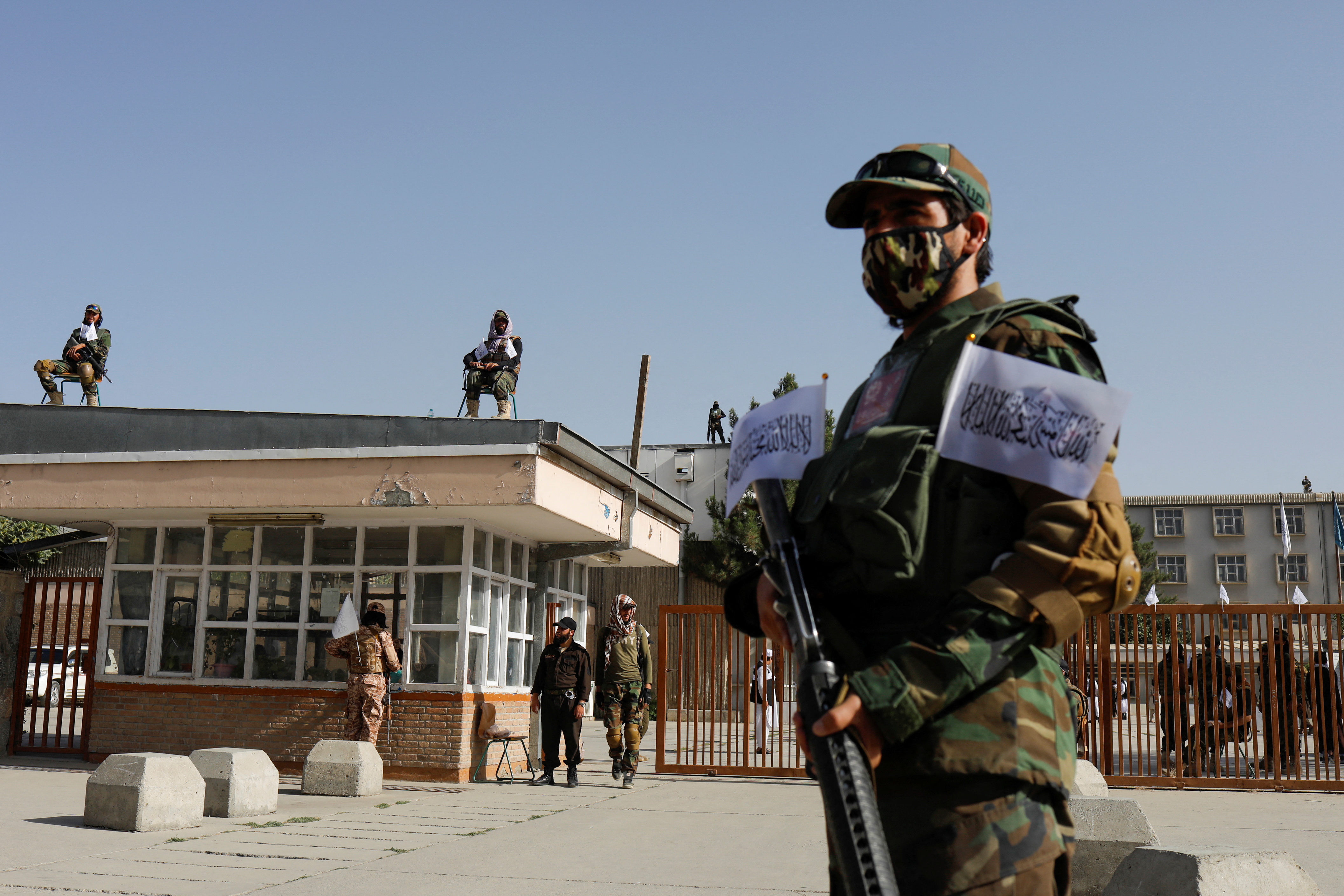
Ordinary Afghans are not responsible for the perceived faults of a government they did not elect.
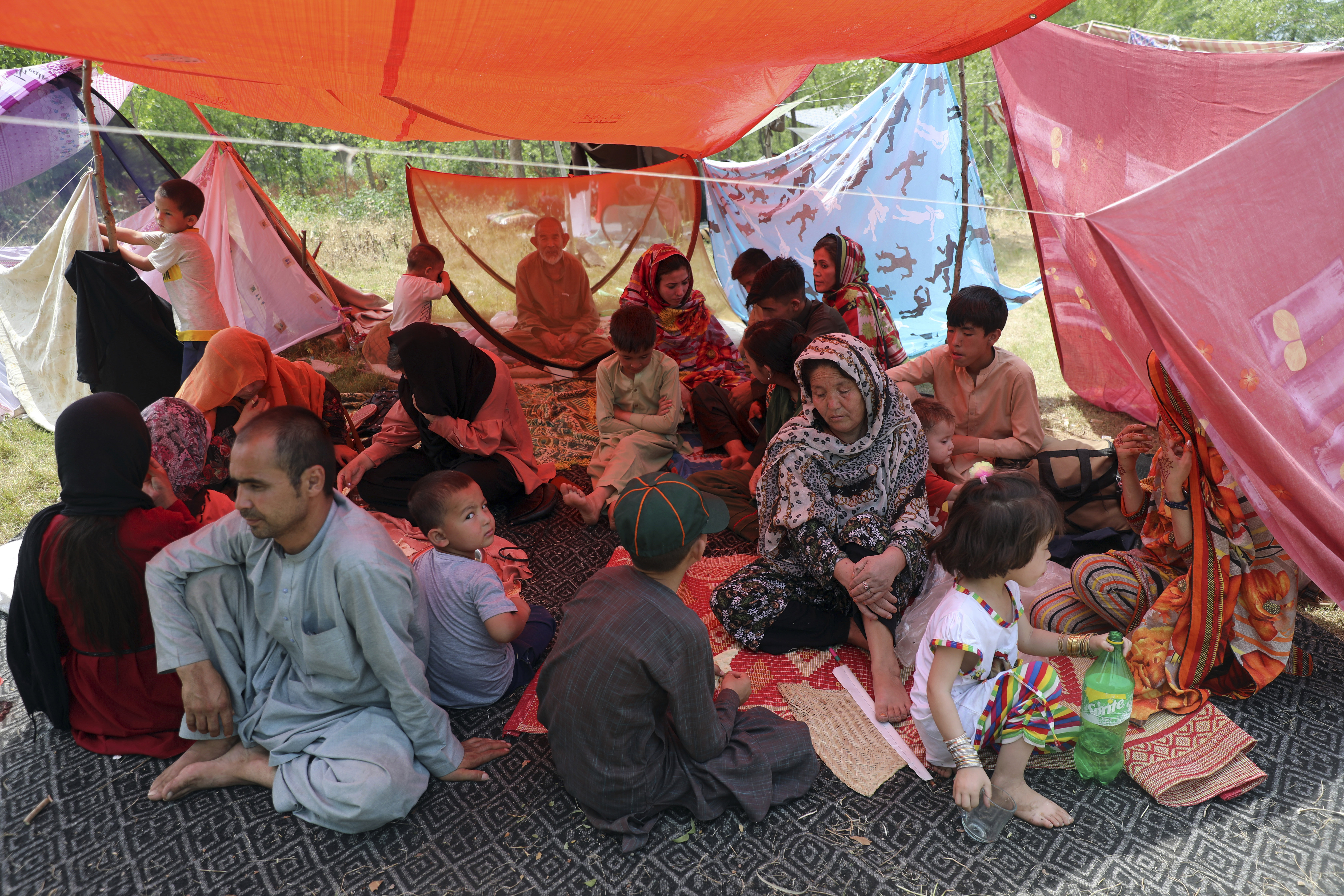
A recent meeting in Doha shows that a major barrier to US-Taliban cooperation may have been surmounted.
Inclusivity is important, but more important is not to bring back corrupt officials from the previous government.

Women, the Hazara minority and all political opposition have been excluded from the Taliban’s new administration.
![Media and Taliban officials are seen as Taliban spokesperson Zabihullah Mujahid holds a press conference in Kabul, Afghanistan on September 07, 2021 to announce the formation of a caretaker government [Sayed Khodaiberdi Sadat/Anadolu Agency via Getty Images]](/wp-content/uploads/2021/09/GettyImages-1235104064.jpg?resize=270%2C180&quality=80)
