Skip linksSkip to Content
play
Live
Navigation menu
  • News
    • Africa
    • Asia
    • US & Canada
    • Latin America
    • Europe
    • Asia Pacific
  • Middle East
  • Explained
  • Opinion
  • Sport
  • Video
    • Features
    • Economy
    • Human Rights
    • Climate Crisis
    • Investigations
    • Interactives
    • In Pictures
    • Science & Technology
    • Podcasts
    • Travel
play
Live

In Pictures

Gallery

In pictures: The displaced in Mali

Tens of thousands have fled conflict in the north, to find poor conditions, unemployment and homesickness elsewhere.

Save

Share

facebooktwitterwhatsappcopylink
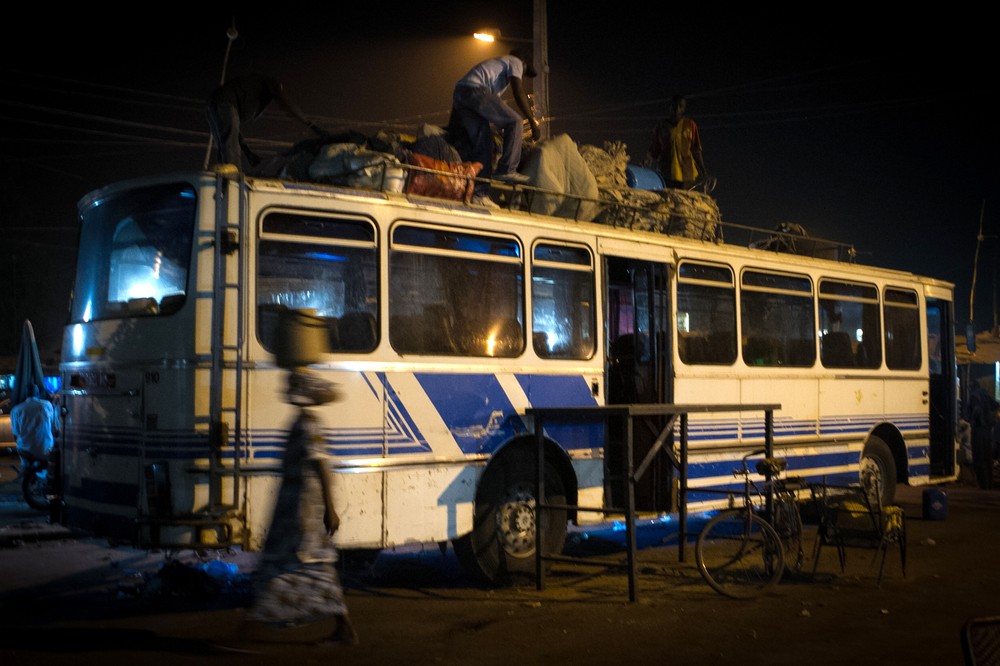
Men unload luggage from a bus arriving from Gao, a city now in the hands of rebels. Tens of thousands of people from Mali(***)s northern territories have fled and are now living in Bamako.
News image
By Tanya Kaur Bindra
Published On 27 Sep 201227 Sep 2012

“Before, we were joyous and made our songs with the sand. Then the bandits came with the guns and chased us from our land.”

There is unmistakable sadness in the words spoken by Al Husseini Ag, a Tuareg pastoralist from the lands surrounding Tessalit, a city close to Mali’s border with Algeria. After those he refers to as “the bandits” gained control of the region in March, taking his livestock with them, he fled to the capital city of Bamako with more than 50 other nomad families for fear of death.

He is now among the tens of thousands of people in Bamako displaced by the conflict in Mali’s northern territories.

After rebel groups took over much of northern Mali, following a military coup against Malian President Amadou Toumani Touré in March, the Office of the UN High Commissioner for Refugees estimates 450,000 people have left the region. Former residents of Timbuktu, Kidal and Gao, cities now under the occupation of Islamists linked to al-Qaeda in the Islamic Maghreb and other hardline groups, comprise the bulk of those displaced.

More than 265,000 travelled to refugee camps in Mauritania, Niger and Burkina Faso, while 185,800more have been internally displaced.

Many of the displaced live with extended families and friends. Others live under whatever shelter they can find. The influx of people is exacerbating an already rapidly deteriorating humanitarian situation as food prices continue to rise and health services decline. Many international aid organisations have suspended their activities in the north due to security risks, making the most at-risk displaced populations hard to reach.

Advertisement

Those displaced say they are in need of adequate shelter, food and clean water. They complain that they cannot find work. Young people want to study but can’t afford private education. Light-skinned Tuaregs are fearful of being associated with the MNLA, a Tuareg rebel group, and feel discriminated against.

Yet above all, they miss their homes and their way of life.

Al Husseini says that city life is foreign to him and he is afraid of to wander the streets of Bamako. He explains that where he comes from, there are no houses. He relied on trees and animal skins to provide shelter. His sense of home was anchored in his familiarity of the land, trees and animals. Home was where music was made. Home was freedom of movement.

“Now we are no longer happy. Before, we were joyous. We had music. Now we don’t have anything.”
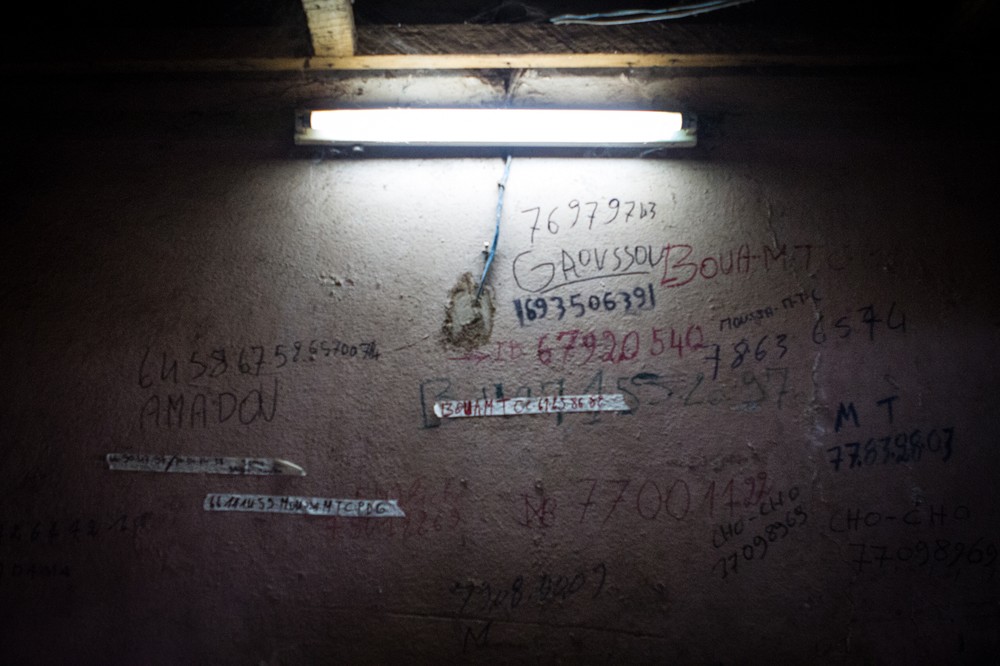
Phone numbers of northerners are scrawled on the wall at the bus station in Bamako.
Advertisement
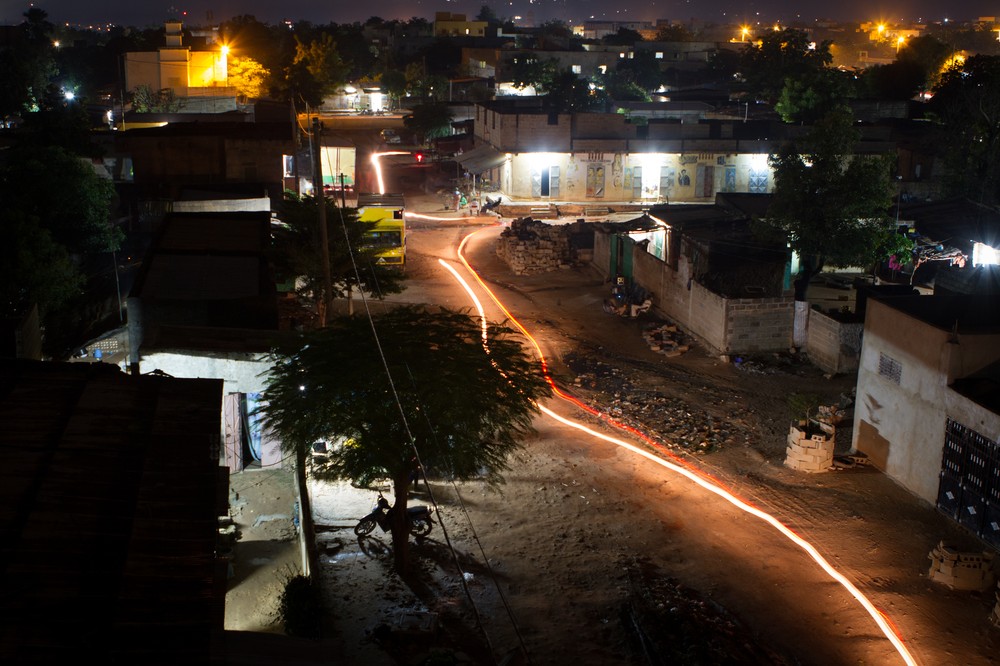
Motorcycles zip through a neighbourhood where many from the north have come to seek refuge. Light-skinned Tuaregs say they feel discriminated against in Bamako.
Above all, the internally displaced say they miss their homes and their way of life.
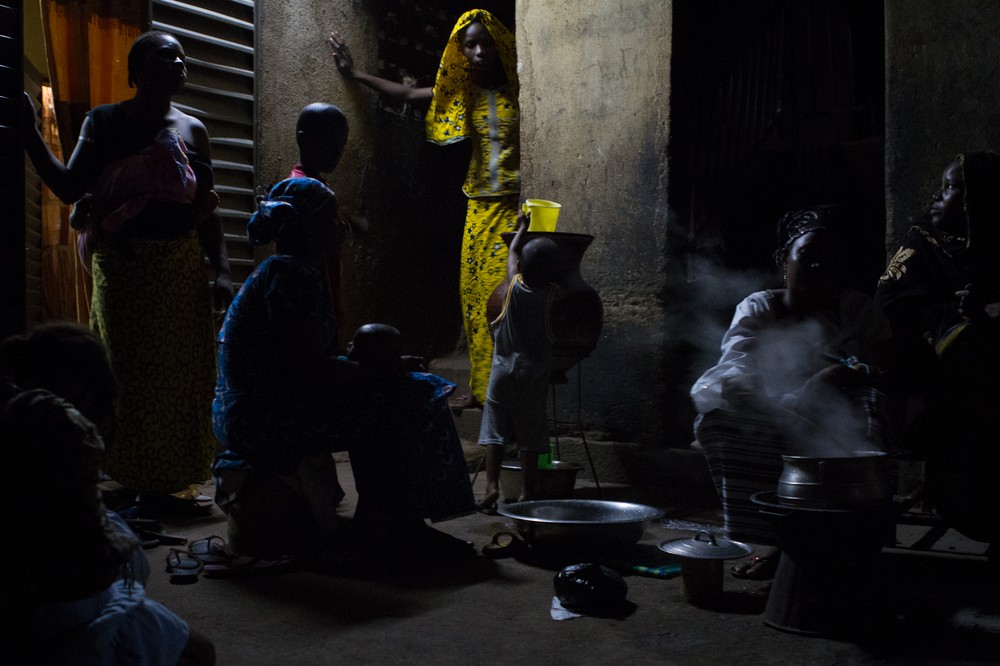
Families originally from Gao and Kidal prepare food together. About 265,000 fled northern Mali for other countries, while almost 186,000 were internally displaced.
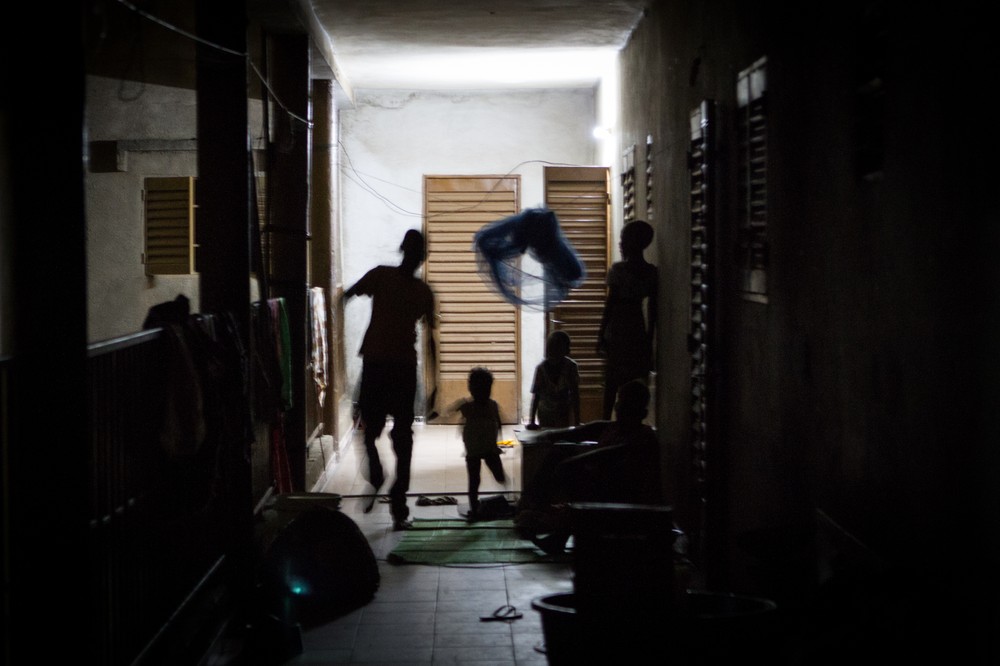
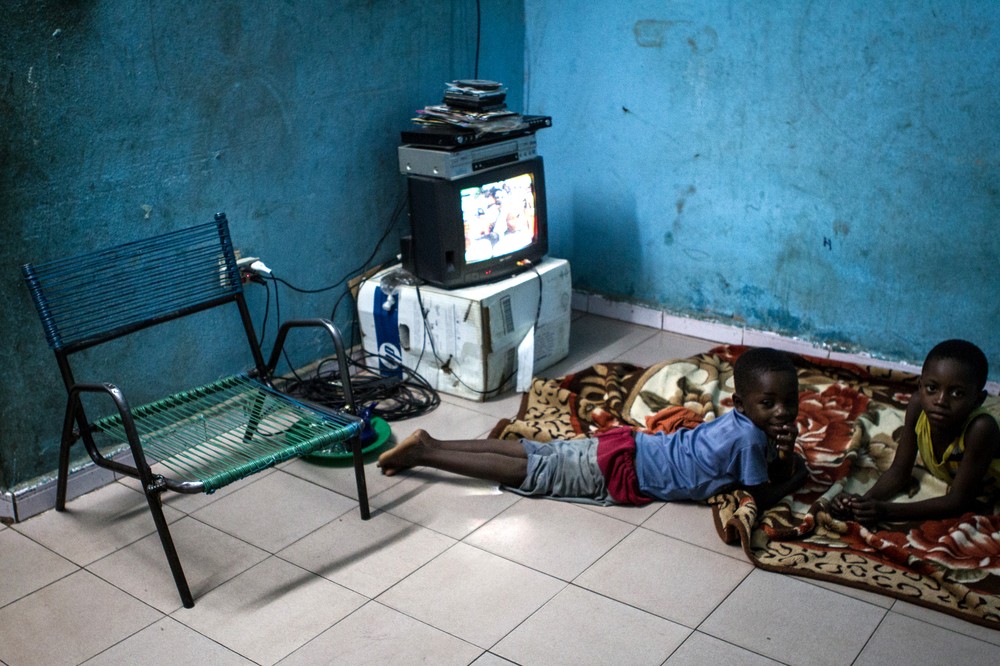
Mahamar Sekobar, 32, sits in the living room that he shares with 28 other members of his family. The family left Gao in the middle of the night in a state of panic after receiving word that the city had fallen under control of the MNLA.
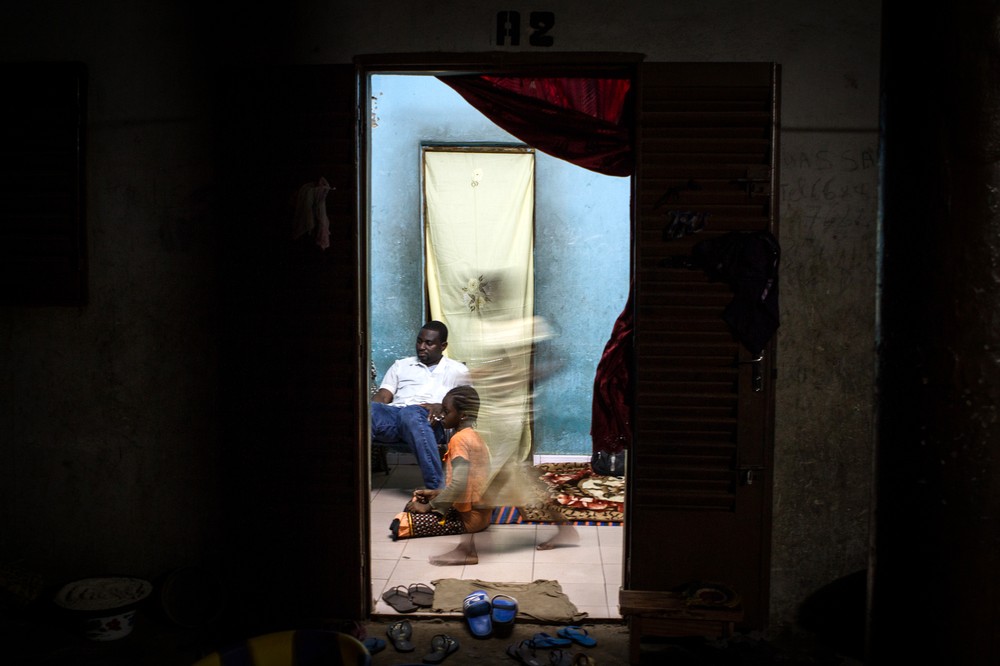
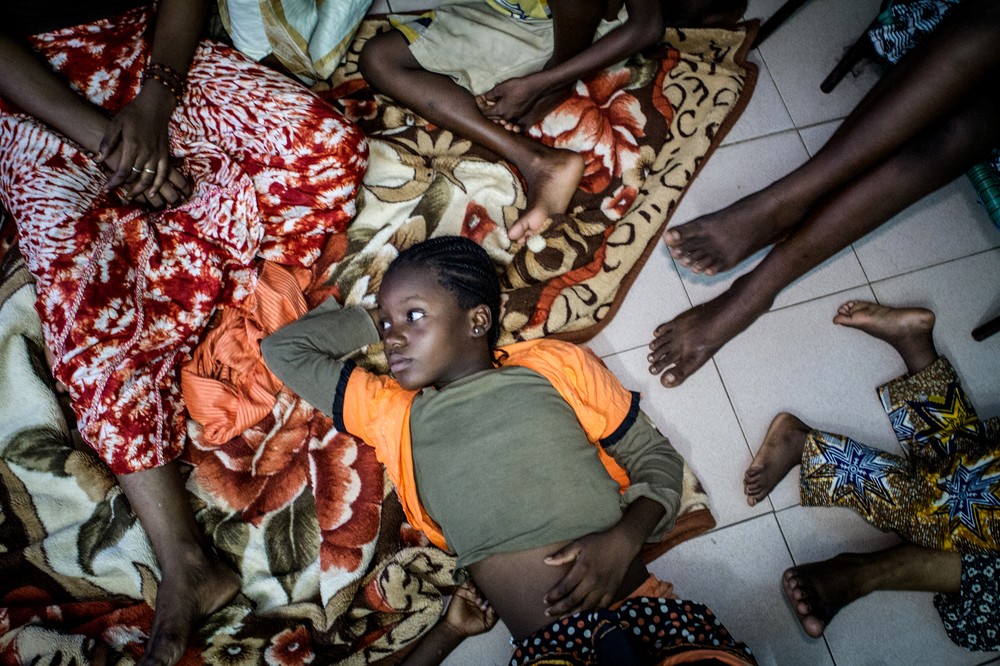
Aïcha Maiga, 12, sprawls out in the living room where she sleeps with 28 other family members.
Advertisement
Displaced young people want to study but often cannot afford private education.
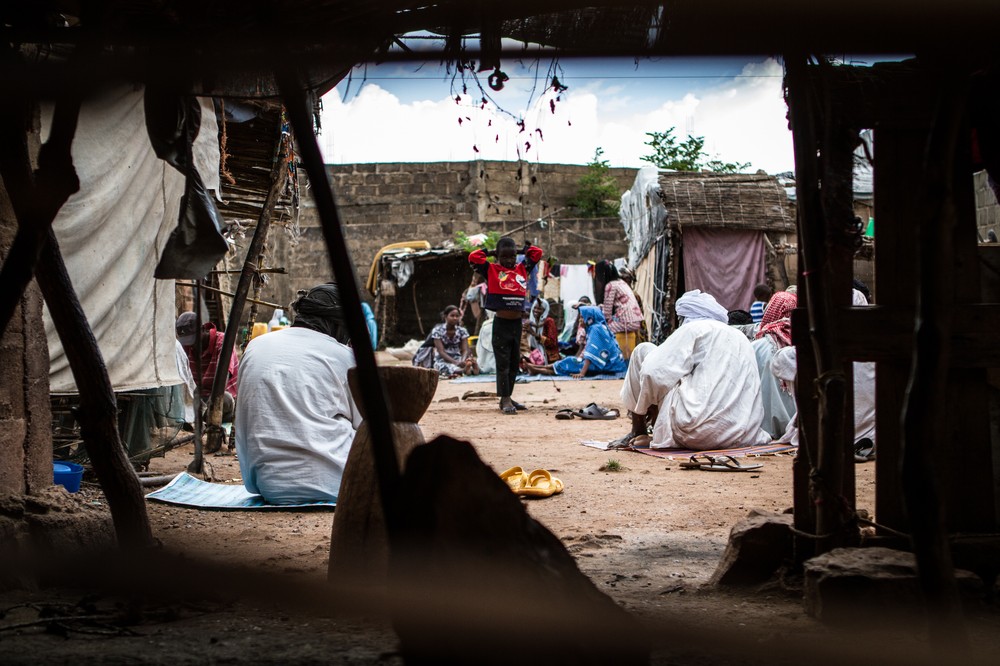
A young Tuareg boy stands in a compound where pastoralist families from the northeastern village of Tessalit have found shelter.
A Tuareg mother embraces her baby in front of a house her family has built on the outskirts of Bamako.
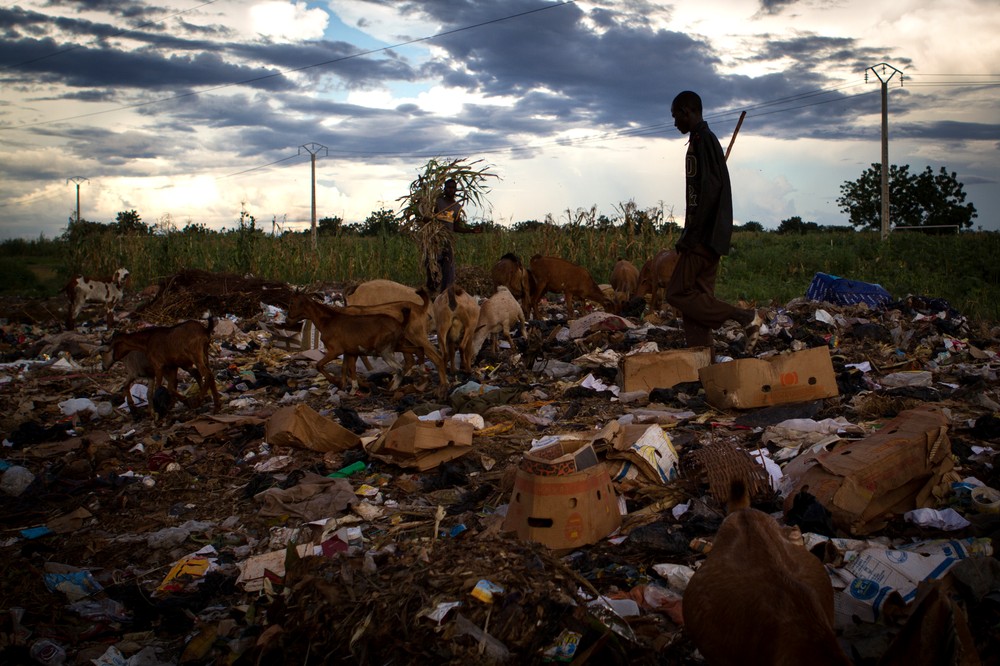
A displaced man cares for a neighbour(***)s livestock in Bamako. The Malian government is ill-equipped to support displaced people.


  • About

    • About Us
    • Code of Ethics
    • Terms and Conditions
    • EU/EEA Regulatory Notice
    • Privacy Policy
    • Cookie Policy
    • Cookie Preferences
    • Accessibility Statement
    • Sitemap
    • Work for us
  • Connect

    • Contact Us
    • User Accounts Help
    • Advertise with us
    • Stay Connected
    • Newsletters
    • Channel Finder
    • TV Schedule
    • Podcasts
    • Submit a Tip
    • Paid Partner Content
  • Our Channels

    • Al Jazeera Arabic
    • Al Jazeera English
    • Al Jazeera Investigative Unit
    • Al Jazeera Mubasher
    • Al Jazeera Documentary
    • Al Jazeera Balkans
    • AJ+
  • Our Network

    • Al Jazeera Centre for Studies
    • Al Jazeera Media Institute
    • Learn Arabic
    • Al Jazeera Centre for Public Liberties & Human Rights
    • Al Jazeera Forum
    • Al Jazeera Hotel Partners

Follow Al Jazeera English:

  • facebook
  • twitter
  • youtube
  • instagram-colored-outline
  • rss
Al Jazeera Media Network logo
© 2026 Al Jazeera Media Network

You might also like:

live israeli attacks kill 76 no aid relief yet for... | thailand readies homecoming for stolen ancient sta... | russia ukraine war list of key events day 1185... | german woman arrested after mass stabbing at hambu... | vietnam orders ban on popular messaging app... | need answers will sri lankas tamils find war closu... | live israeli attacks kill 85 in gaza as starvation... | florida court orders ex mexican security chief to ...