Iraq Shia bloc reiterates support for al-Maliki despite Trump’s threats
The Coordination Framework said that selecting a PM is an internal constitutional matter and should take place without foreign interference.
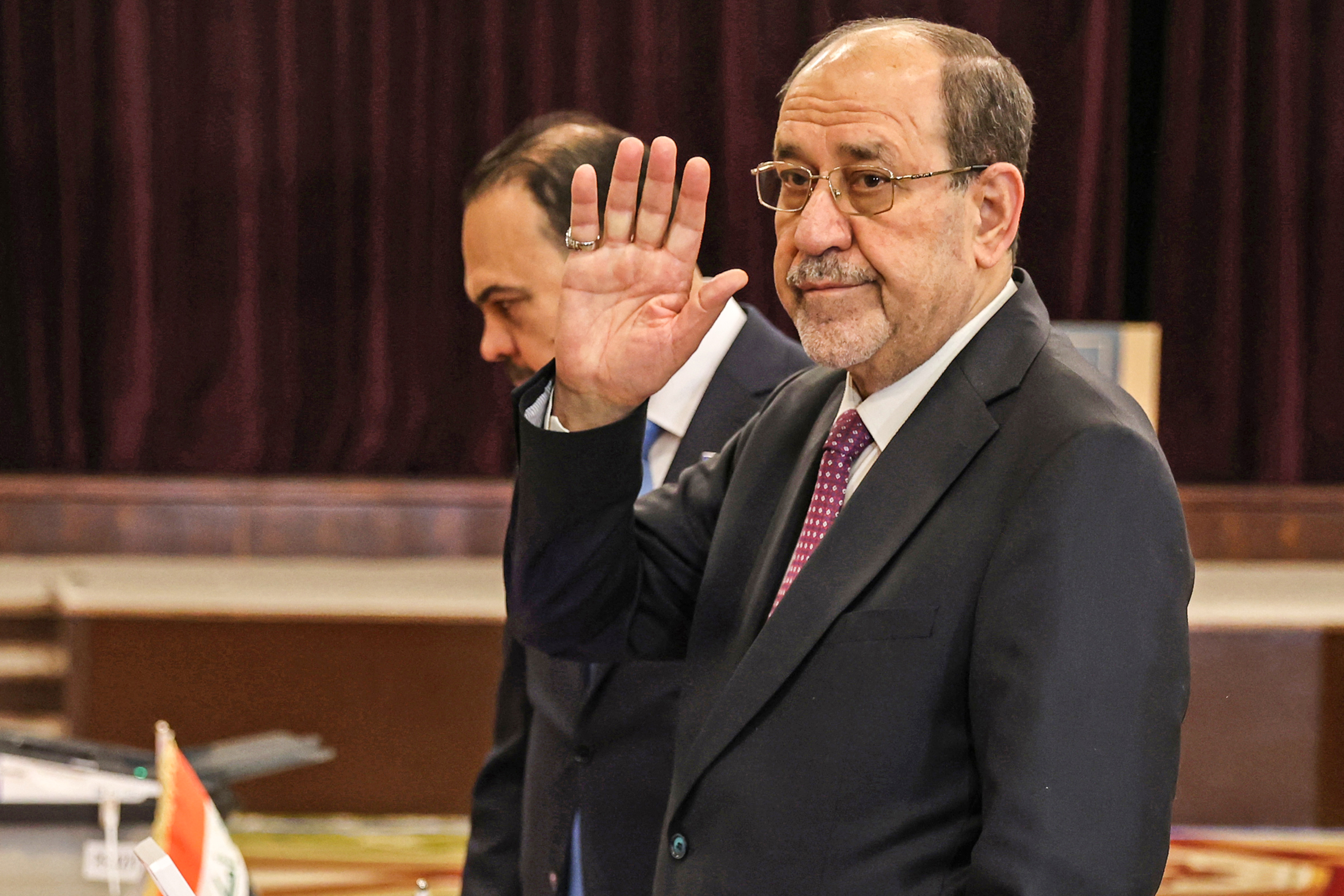
Iraq’s main Shia alliance, which holds a parliamentary majority, has reiterated its support for reinstating Nouri al-Maliki as prime minister, despite United States President Donald Trump threatening to end US support to the country.
The Coordination Framework said in a statement on Saturday that it “reiterates its support for its nominee, Nouri Kamel al-Maliki, for the premiership.”
Recommended Stories
list of 3 items- list 1 of 3Iraq Shia alliance nominates former PM Nouri al-Maliki as its candidate
- list 2 of 3What al-Maliki’s return would mean for Iraq and the region
- list 3 of 3Rubio speaks to Iraqi PM al-Sudani amid tensions with Iran
“Choosing the prime minister is an exclusively Iraqi constitutional matter … free from foreign interference.”
Earlier this week, Trump warned Iraq that if al-Maliki were chosen as Iraq’s next prime minister, then Washington would withdraw support, the latest in a growing list of interventions in the politics of other nations made by Trump or members of his administration.
Al-Maliki rejected Trump’s threat on Wednesday in a post on X, condemning the “blatant American interference in Iraq’s internal affairs” and insisting that he would not withdraw his candidacy for the top job.
Trump has been running a campaign to curb the influence of Iran-linked groups in Iraq, which has long walked a tightrope between its two closest allies, Washington and Tehran.
Al-Maliki, 75, is a senior figure in the Shia Islamic Dawa Party. His tenure as prime minister from 2006 to 2014 was a period marked by a power struggle with Sunni and Kurdish rivals, accusations of corruption and growing tension with the US.
He stepped down after ISIL (ISIS) seized large parts of the country in 2014, but has remained an influential political player, leading the State of Law coalition and maintaining close ties with Iran-backed factions.
The US wields key leverage over Iraq, as the country’s oil export revenue is largely held at the Federal Reserve Bank in New York in an arrangement reached after the 2003 US invasion that toppled Iraqi leader Saddam Hussein.
