Iran’s FM confirms contact with US envoy Witkoff, denies talks under way
Iran’s top diplomat Araghchi has told Al Jazeera that, despite contacts, Iran is not in negotiations with the US.
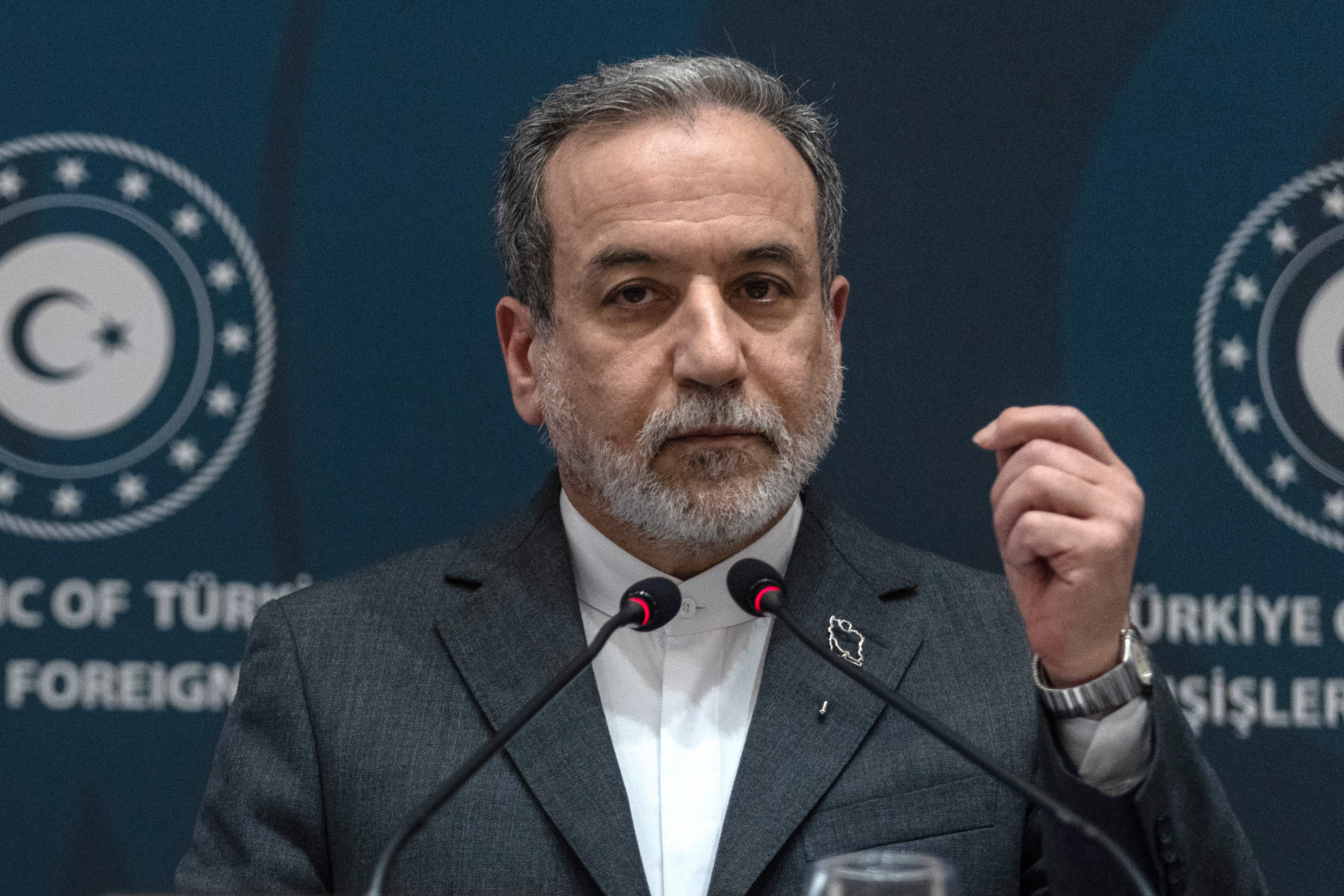
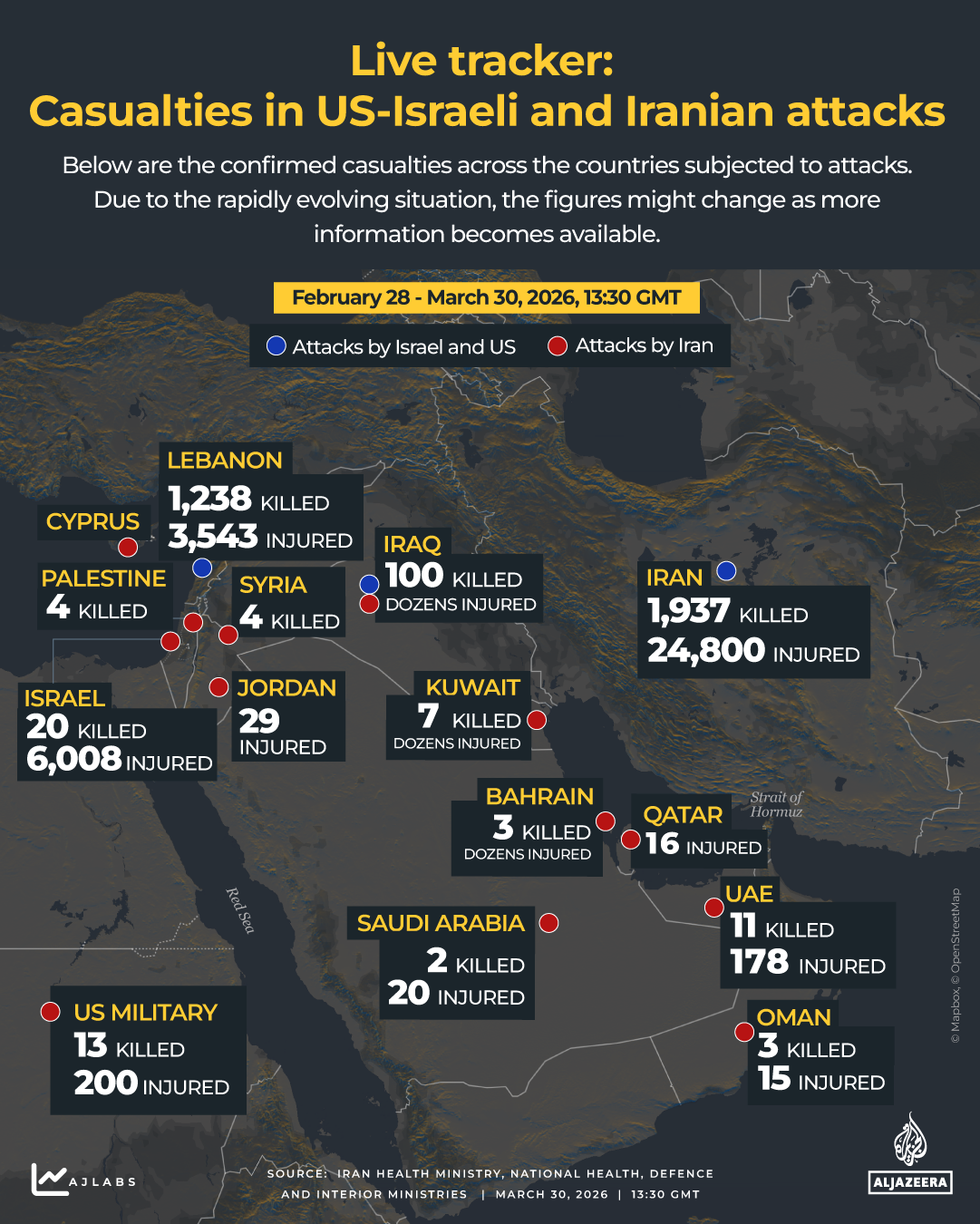
Iranian Foreign Minister Abbas Araghchi has confirmed that messages had been exchanged with the United States, either directly or through countries in the region, amid the ongoing US-Israel war on Iran.
During an interview with Al Jazeera, Araghchi said that the contacts with the US did not mean that Tehran was in negotiations with Washington.
Recommended Stories
list of 3 items- list 1 of 3‘Iranians don’t consider Trump’s 15-point plan as beginning of diplomacy’
- list 2 of 3Iran will play World Cup games in US despite war, FIFA’s Infantino says
- list 3 of 3Trump attacks NATO allies as pressure mounts over Strait of Hormuz
“I receive messages from [US special envoy Steve] Witkoff directly, as before, and this does not mean that we are in negotiations,” he said.
“There is no truth to the claim of negotiations with any party in Iran. All messages are conveyed through the Foreign Ministry or received by it, and there are communications between security agencies,” he said.
Araghchi explained that they have never had a “good experience” negotiating with the US, adding that one time years ago they secured a deal, only for the US to withdraw from it, alluding to the 2015 Joint Comprehensive Plan of Action (JCPOA).
“We do not have any faith that negotiations with the US will yield any results. The trust level is at zero”, he said, adding: “We don’t see honesty.”
Iranian President Masoud Pezeshkian also said on Tuesday that the US does not believe in diplomacy, as Iran was attacked twice during negotiations with Washington, our colleagues at Al Jazeera Arabic reported.
Pezeshkian, who held a phone call with European Council President Antonio Costa on Tuesday, also said that while his country has the “necessary will” to end the ongoing war, guarantees are required to “prevent repetition of the aggression”.
However, US Defence Secretary Pete Hegseth told a press conference on the same day that while Washington wants to secure a deal to end the war and open up the Strait of Hormuz, they are prepared to continue “negotiating with bombs”.
In the Strait of Hormuz, Araghchi said the “reality” is that it lies within Oman’s and Iran’s territorial waters and is therefore ordinary to be used “strategically”.
“Only for the ships of those who are at war with us, this strait is closed. That is normal during war – we cannot let our enemies use our territorial waters for commerce,” he explained.
“Ships linked to other countries – because of security concerns, because of high insurance prices, or whatever other reason – they have decided not to use the Strait,” he said, adding that some of those countries have negotiated with them.
He said after the war, what becomes of the security of the waterway will be up to Oman and Iran to decide, but said that the strait could be a “peaceful waterway”.
Amid reports of a possibility of a US ground operation in the country, the Iranian official reiterated that Tehran was not scared.
“We are waiting for them,” he said, adding: “I don’t think they’d dare to do such a thing. There will be a lot of strength waiting for them.”
“We know very well how to defend ourselves. In a ground war, we can do it even better. We are completely ready to confront any sort of ground attack. We hope they do not make such a mistake,” Araghchi said.
The foreign minister also clarified to Al Jazeera that Tehran has not yet responded to the 15-point proposal that was sent by the US, “nor have we submitted any proposals or conditions.”
Reporting from Tehran, Al Jazeera’s Ali Hashem said that much of what Araghchi talked about was not new, but the significant update was the contact with Witkoff.
“The new piece of information is that he’s in touch directly with Witkoff and that there are some security discussions going on,” he said.
Last week, a senior diplomatic source told Al Jazeera that Iran had received a 15-point plan from the US that was aimed at ending the war.
The plan included proposals ranging from calls on Iran to commit to never acquiring a nuclear weapon to limiting its missile stockpile in both range and quantity.
Still, the Iranian foreign minister reiterated that Iran will only accept an end to all attacks in the region rather than a ceasefire.
