What’s happening on Iran war day 91 as US, Iran near 60-day deal
US and Iran near a 60-day MoU aimed at reopening the Hormuz strait with talks slated on nuclear and other differences.
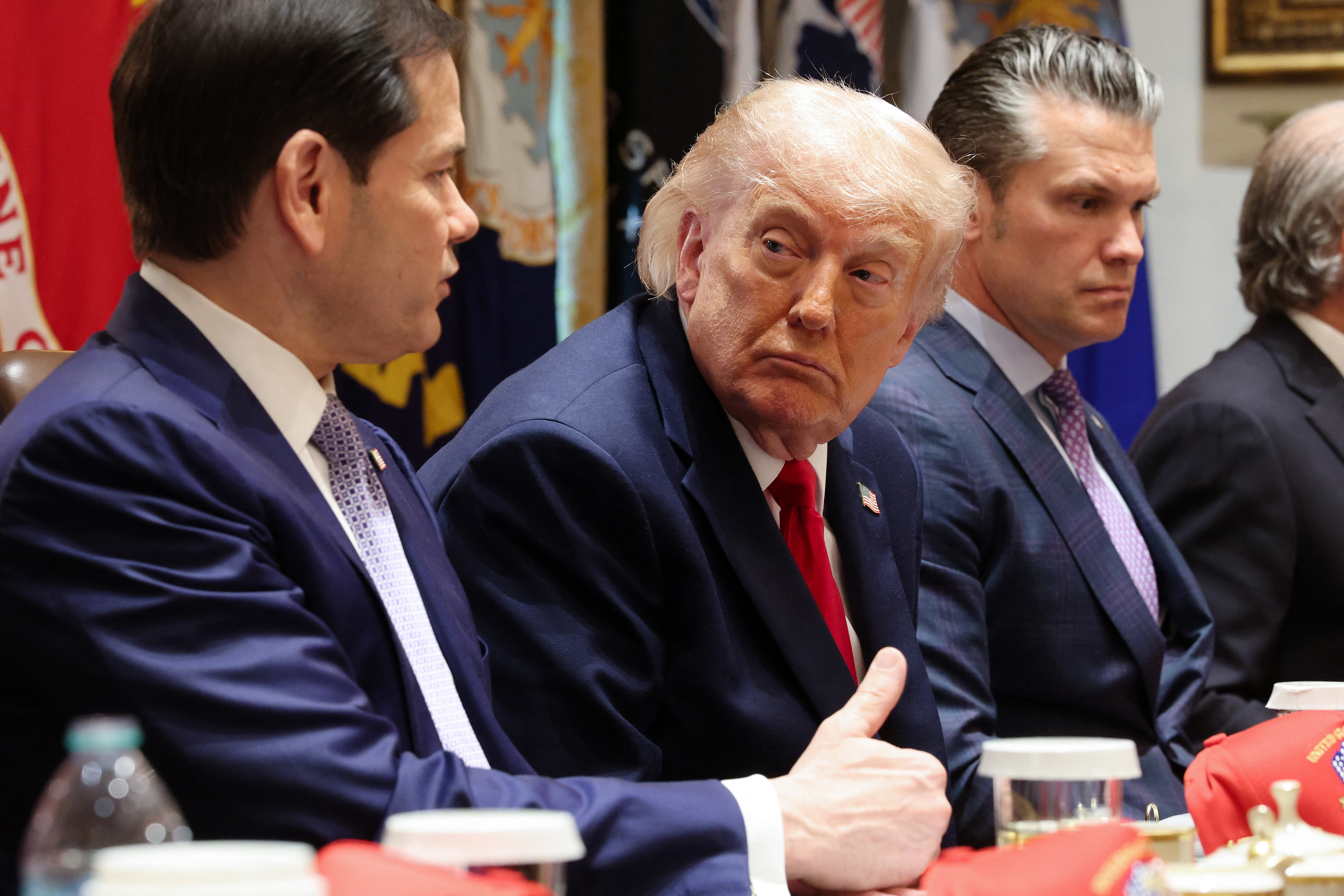

United States President Donald Trump says the naval blockade of the Strait of Hormuz will be lifted and that he will make a final decision on a potential deal with Iran after meeting his national security team on Friday, raising hopes for a diplomatic breakthrough.
However, deep mistrust remains between the two sides. Iran’s top negotiator, Mohammad Bagher Ghalibaf, said Tehran would judge any agreement by actions rather than promises as talks continue.
Adding to the uncertainty, Iran’s semi-official Tasnim news agency reported that the draft framework has recently been revised and has yet to be finalised or formally approved.
Here is what we know:
In Iran
- More foreign vessels transit Hormuz: The number of non-Iranian-linked vessels moving through the Strait of Hormuz has increased in recent days, according to maritime data. Analysts say ships flying the flags of Singapore, the United Arab Emirates, South Korea and Norway have resumed transiting the strategic waterway despite ongoing tensions and disruptions to Gulf shipping.
- Iran uranium stockpile: International Atomic Energy Agency (IAEA) chief Rafael Grossi says Kazakhstan has signalled it is willing to store Iran’s near-weapons-grade enriched uranium as part of a potential US-Iran agreement. Grossi told the Financial Times that Kazakhstan’s existing IAEA-backed uranium bank could provide a secure location which may be acceptable to both Tehran and Washington.
War diplomacy:
- Trump outlines conditions for potential Iran deal: Trump said Washington would lift its naval blockade on Iranian ports if Iran agrees never to obtain a nuclear weapon, reopens the Strait of Hormuz to unrestricted shipping without tolls, removes any remaining naval mines, and cooperates with the US and the IAEA to recover and destroy buried enriched uranium stockpiles. Trump said he would meet with his national security team in the White House Situation Room to make a final decision on the proposed agreement.
- Iran says actions, not words, will determine any deal: Iran’s top negotiator, Mohammad Bagher Ghalibaf, said Tehran would judge any agreement with the US by actions rather than promises. Ghalibaf said Iran would take no steps until Washington acted first.
Lebanon-Israel talks: Lebanese and Israeli military delegations are meeting at the Pentagon on Friday, as Beirut pushes for an end to Israel’s escalating attacks. Israel issued evacuation orders for seven towns in southern Lebanon, prompting fresh displacement as strikes intensified across the region.
In the Gulf
- Kuwait, UAE condemn missile incident: Kuwait and the United Arab Emirates have condemned what Kuwait described as “Iranian aggressions” after a ballistic missile was intercepted. The two Gulf states reaffirmed Kuwait’s right to take all necessary measures to protect its sovereignty and security. Iran did not explicitly say it targeted Kuwait, though the IRGC said it struck a base used by US forces to launch recent attacks on southern Iran.
- Qatar emir, Trump discuss regional tensions: Qatar’s Emir Sheikh Tamim bin Hamad bin Khalifa Al Thani and Trump discussed by phone the latest developments in the war and ongoing diplomatic efforts to reduce tensions. Qatar continues to host regional discussions aimed at strengthening the fragile ceasefire between the US and Iran, and promoting broader stability.
In the US
- US expands sanctions on Iran-linked networks: Washington has imposed new sanctions on companies, vessels and individuals accused of helping fund Iran’s military and the IRGC. The measures target oil and petrochemical transport networks, while the Treasury Department also sanctioned Hong Kong-based entities allegedly involved in a multibillion-dollar Iranian oil sales operation.
- Trump may prefer no deal to a weak deal, analyst says: Security and defence analyst Wolfgang Pusztai said both Washington and Tehran have hardened their positions since the war began, making an agreement more difficult to reach. He argued that ahead of the US midterm elections, Trump may see “no deal” as politically preferable to one perceived as weak, while Iran is seeking an arrangement that preserves its regional standing. Pusztai warned that a prolonged conflict could drive up energy prices and have severe economic consequences worldwide, particularly in Africa.
In Israel and Gaza
- Netanyahu orders expanded Gaza control: Israeli Prime Minister Benjamin Netanyahu says he has directed the military to seize more of Gaza, up to 70 percent of the Palestinian territory. Israel is already estimated to be in control of about 64 percent of the strip.
- Concerns grow over Gaza control plans: Analysts have warned that Israel’s expanding military presence in Gaza could signal a broader plan to take full control of the enclave and displace its Palestinian population.
- Support for continued war: Israeli political commentator Ori Goldberg said continued conflict benefits Netanyahu politically by helping him delay his criminal proceedings and reinforcing his image as a steady leader. Goldberg told Al Jazeera that broad support for the war across Israel’s political establishment has left little room for politicians advocating peace or negotiations.
- Al-Aqsa Friday prayers: About 60,000 Palestinians attended Friday prayers at Al-Aqsa Mosque, despite tightened Israeli restrictions on access. Israeli forces deployed across Jerusalem’s Old City, setting up checkpoints and conducting searches of worshippers. Despite that, tens of thousands gathered at Islam’s third-holiest site.
In Lebanon
- Israel hits Beirut area, south Lebanon: Israeli forces again attacked southern Lebanon, and launched their first raid near Beirut in weeks, killing at least 17 people, including women and children, according to Lebanese authorities. The escalation came ahead of planned US-mediated talks between Lebanese and Israeli military officials aimed at preventing further conflict, despite the ceasefire with Hezbollah.
- Israeli advance: Netanyahu said Israeli forces have crossed Lebanon’s Litani River and taken control of new positions north of the waterway, expanding ground operations beyond a security zone held since April. “We are operating in Beirut, in the Bekaa Valley, across the entire width of the front, and are dealing Hezbollah a crushing blow,” the Israeli prime minister said in remarks to military personnel, according to excerpts released by his office.
