Activists want to protect brazilwood. Why are musicians worried?
Brazil hopes to raise trade restrictions to protect an endangered tree. But musicians fear the protections may penalise their industry.



For 44 years, Tim Baker has been crafting bows for stringed instruments like violins and cellos. He knows how crucial the thin, supple strip of wood can be for musicians.
“Some people just use one bow their whole life,” said Baker said from his home in the United Kingdom.
“The bow is really their voice. The violin, you just have a string, and you put your fingers down. But the way the sound comes out all comes from the bow.”
But now his trade faces a threat from an unlikely source: conservationists and the Brazilian government.
The majority of high-end bows are made from brazilwood, also known as pernambuco.
Prized for its reddish hue and durability, brazilwood is beloved among musicians. Famed cellist Yo-Yo Ma described it as “without equal” when it comes to bows.
However, a proposal to bolster restrictions could mean musicians would need to register their instruments in order to travel abroad or sell them.
That prospect has been described by some music advocates as their “worst nightmare”.
“Every musician's choice for a bow is a highly personal one based on a lot of factors: the feel, the weight. And even depending on which repertoire they're playing, it might call for a different bow to create a different sound,” said Heather Noonan, vice president for advocacy at the League of American Orchestras.
“One [potential consequence] is that musicians would not be able to use their best instruments professionally.”

Brazil's proposal
The issue is set to come to a head next week, as the Convention on International Trade in Endangered Species of Wild Fauna and Flora (CITES) holds its 20th meeting.
Heightened restrictions on brazilwood are scheduled to be raised for a vote at the conference.
Since 1998, the International Union for Conservation of Nature (IUCN) has classified the tree as endangered.
But a proposal authored by the Brazilian government would increase CITES protections for brazilwood, placing it in the highest tier for trade restrictions.
CITES regulates the international trade of endangered species, and it classifies animals and plants in three appendices.
The third is the least restrictive: If a species is endangered in a given country, then export permits are required from that country.
The Appendix II has tighter standards: Export permits are required from wherever the species is extracted. Most endangered species, including brazilwood, fall into this category.
But Brazil hopes to bump brazilwood up to appendix one, a category for species faced with extinction.
Trade of plants and animals in that appendix is largely banned, except for non-commercial use. But even in that case, both import and export licences are required.
In its proposal, Brazil argues the upgraded restrictions are necessary to fight the plant's extinction.
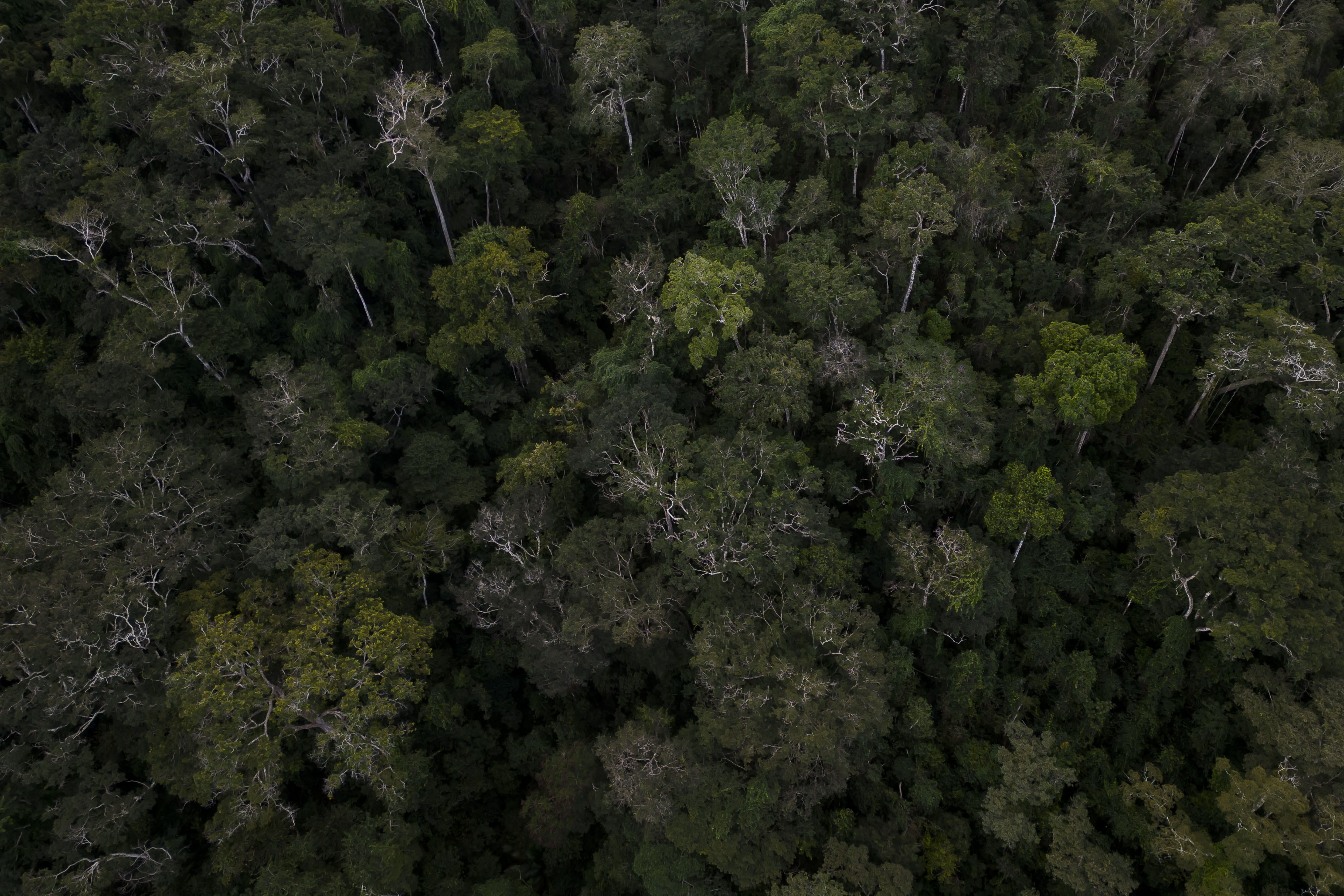
Only about 10,000 adult brazilwood trees remain. The population has shrunk by 84 percent over the last three generations, and illegal logging has played a dominant role in that decline, according to the proposal.
"Selective extraction of Brazilwood is still active, both inside and outside protected areas," the proposal explains.
"In all cases recently detected, the destination of these woods is the bow-making industry for musical instruments."
It adds that “520 years of intense exploitation” have led to the “complete elimination of the species in several regions”.
One operation launched by Brazilian police in October 2018 resulted in 45 companies and bowmakers being fined.
Nearly 292,000 bows and blanks — the unfinished blocks of wood destined to become bows — were seized.
Another investigation, between 2021 and 2022, led police to conclude that an estimated $46m in profits had come from the illegal brazilwood trade.
“The majority of bows and bow blanks sold by Brazilian companies over the past 25 years probably originated from illegal sources," Brazil wrote in its proposal.
Low population, high demand
Conservation groups like the NGO TRAFFIC have backed the increased protections for brazilwood, arguing that drastic action is necessary for the tree's survival.
TRAFFIC's policy director Sarah Ferguson said that 144 trees are needed to make just 700 bows.
In the past 25 years, she added, Brazilian craftsmen have exported 130,000 bows, indicating a huge demand for the tree.
“There's low population numbers. They're not found in that many areas. And they're found at huge volumes in trade,” Ferguson said.
Currently, under Appendix II, there is an exemption for finished brazilwood products that allows musicians to travel freely with their bows.
It also ensures that Brazil’s large bow-making industry is able to sell its products abroad.
But the possibility of promoting brazilwood to Appendix I has sparked alarm among musicians.
One petition on the website Change.org, calling for the rejection of Brazil's proposal, has garnered more than 10,000 signatures in support.
Noonan, from the League of American Orchestras, worries that the special permitting process for an Appendix I product would be a logistical quagmire for travelling orchestras.
It could even result in instruments being confiscated, she added.
“The risks of getting some part of this process wrong as you endeavour to comply with it can be quite severe, especially for individual musicians who may not have a lot of infrastructure to help them get through the process,” Noonan said.
In October, a group of musicians published an open letter in the French newspaper Le Monde, warning of an “unmanageable explosion” of permit applications.


Searching for compromise
Noonan argued that musical instruments are unlike other animal or plant products managed by CITES.
They often remain in use for centuries. And while an exotic pet may be traded internationally once, she pointed out that a musician may pass multiple borders on a single tour.
If Brazil's proposal is accepted, a musician would need to have their permit certified at each border by a CITES-approved official, she said. But she fears the process is not practical.
“We sometimes hear delegates say, ‘This won’t be a problem for you. You can get a permit’,” Noonan said. “Even with the CITES [permit], it is not a reasonable process for your typical travelling musician to be able to make it to a performance on time.”
Organisations like TRAFFIC have suggested workarounds to address the musicians' concerns.
In its official CITES briefing, TRAFFIC said it would be open to keeping brazilwood in Appendix II, so long as it receives additional protections.
But Ferguson also believes CITES needs more resources to be able to properly manage its permit system.
“We need to be injecting more funding and making sure the ability exists on both sides to be able to actually move instruments quickly,” she said.
Baker, the British bowmaker, hopes that conservationists and musicians can find a solution that puts an end to illegal brazilwood logging, while allowing legal harvests to continue.
He emphasised that the music industry is just as invested in the tree's survival as environmental advocates.
“Bowmakers and musicians are passionate about pernambuco. We have been from the beginning," Baker said. "Anybody that makes stuff out of wood loves wood and wants to conserve it.”
