Lessons 'unlearned'
Twenty years after Katrina, experts warn disaster readiness lags in the US.
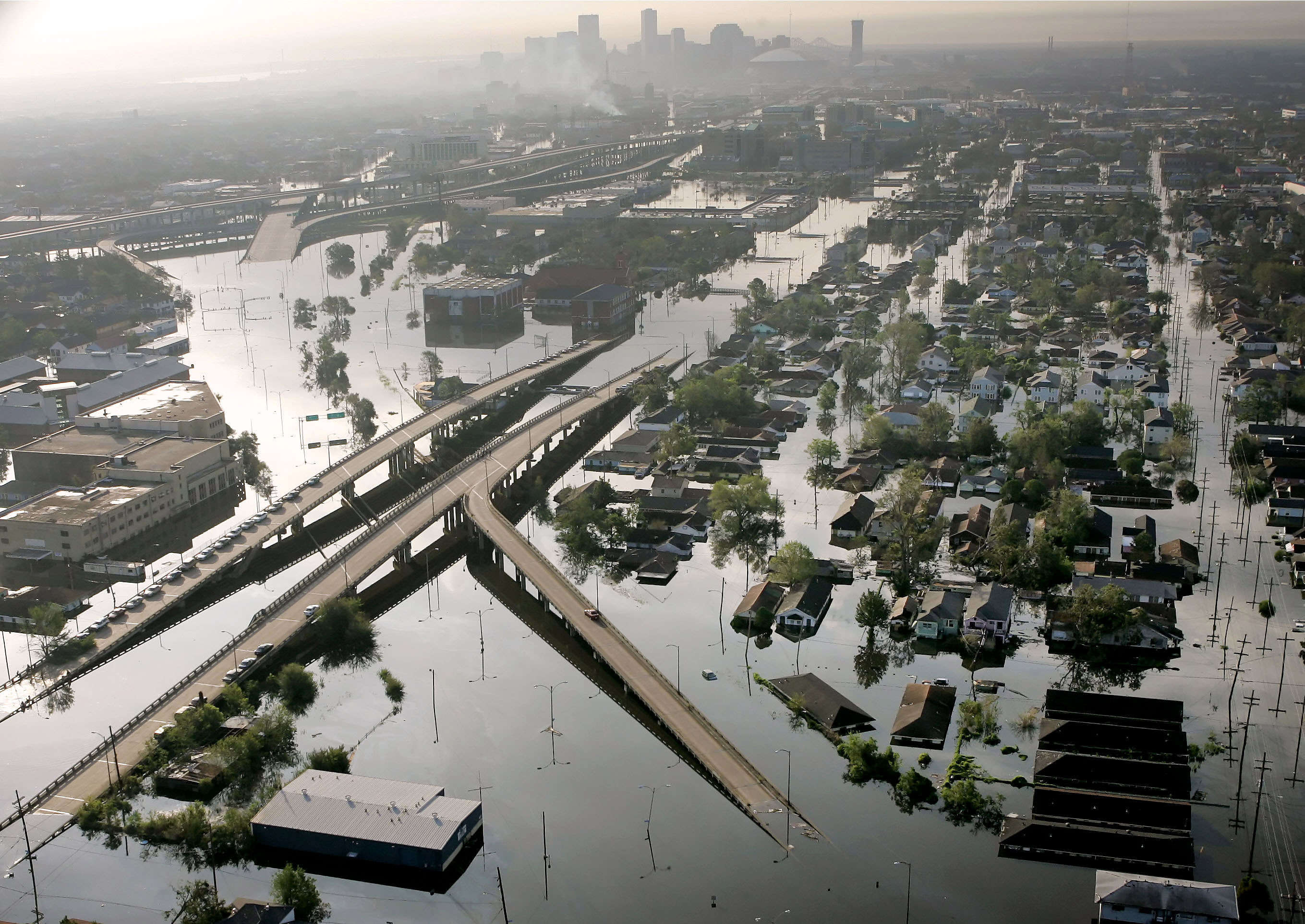
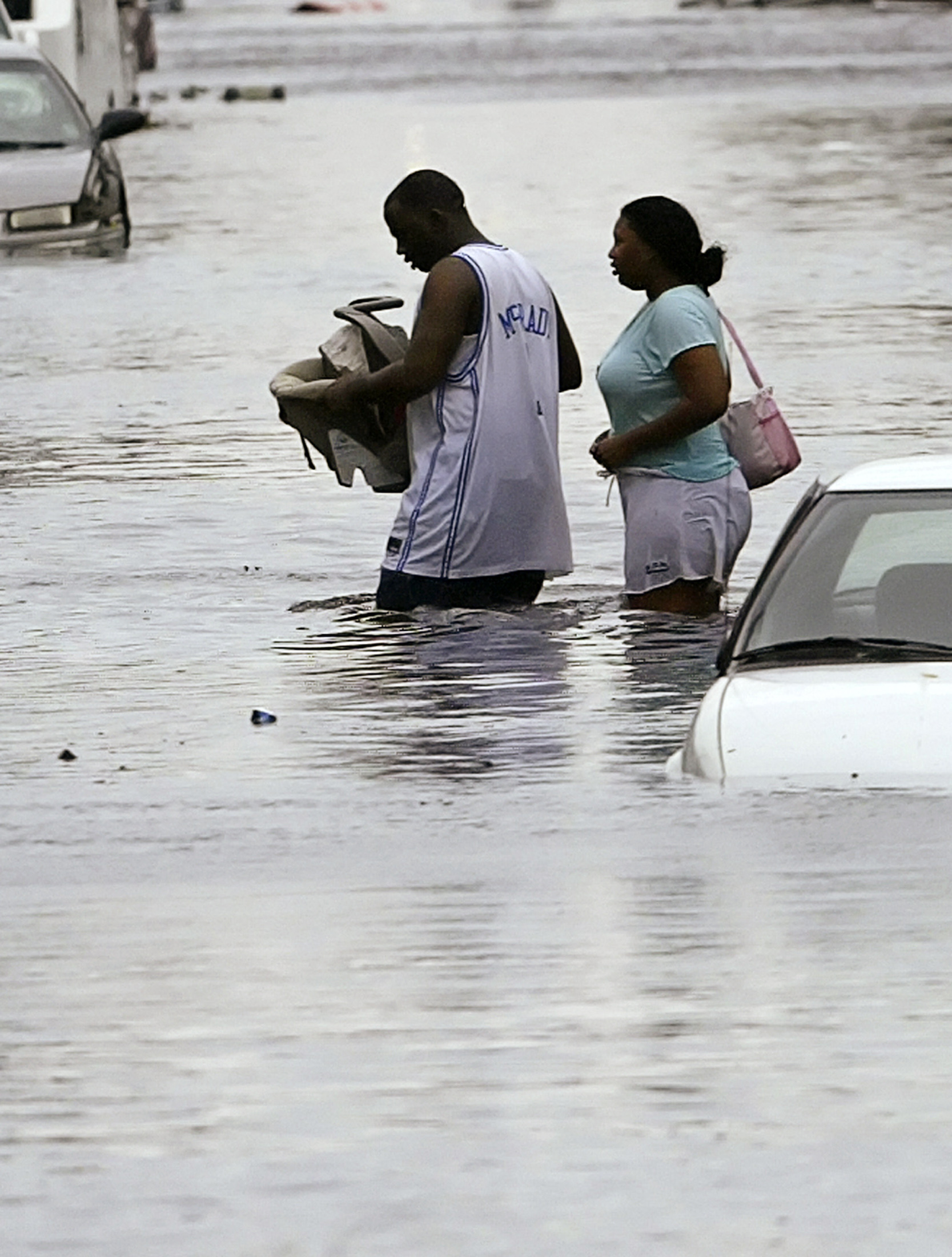

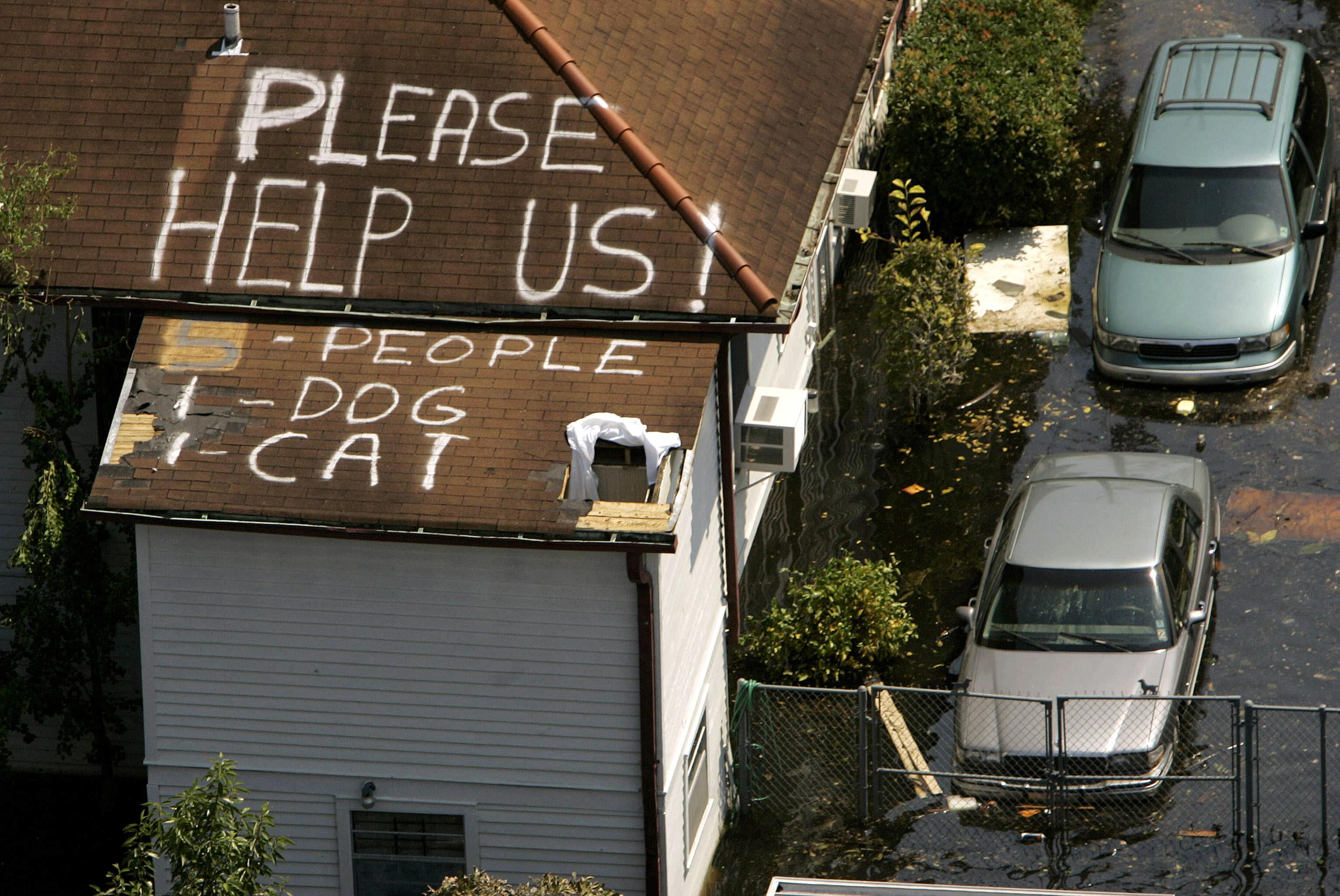
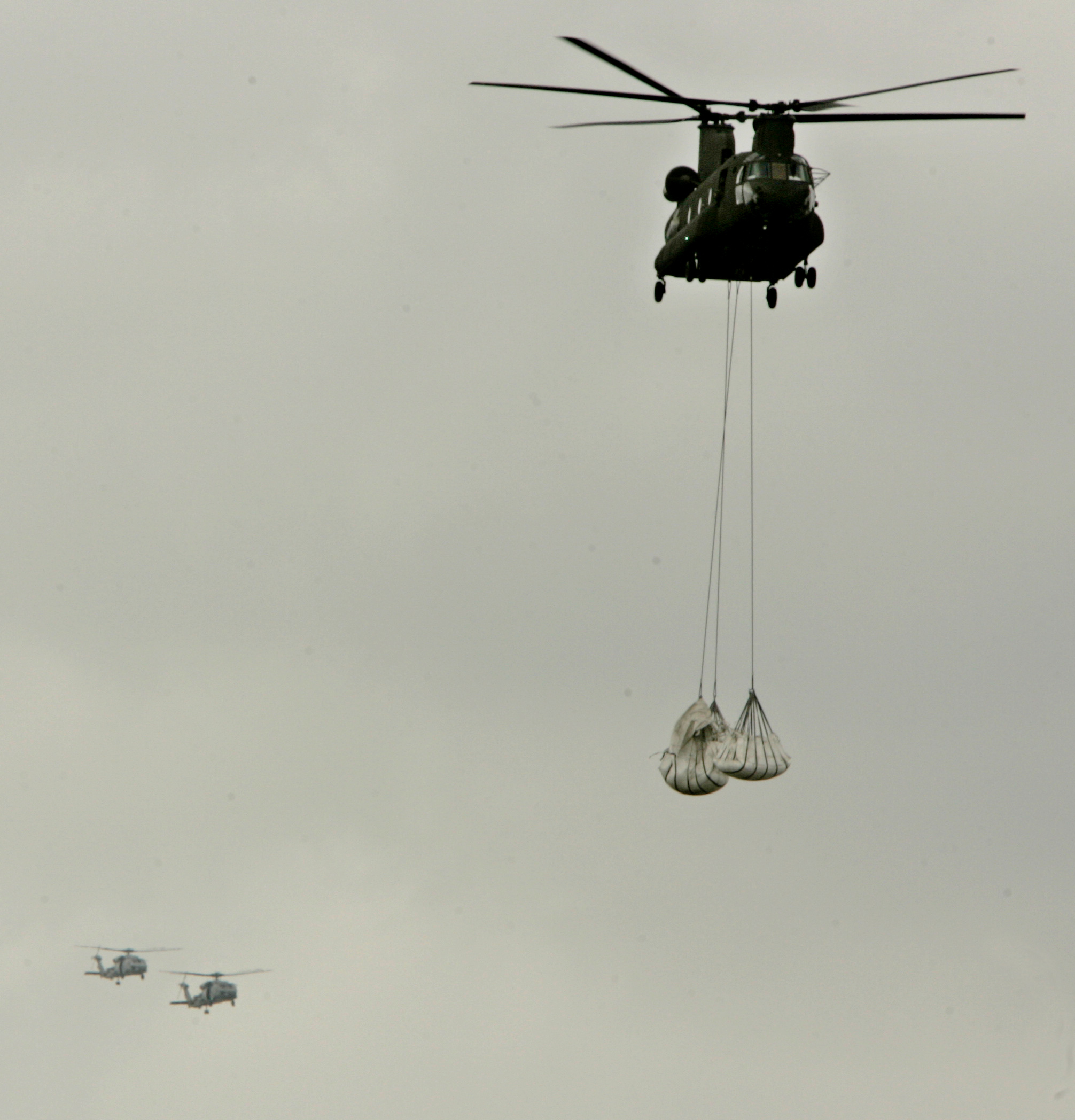
Washington, DC – Twenty years ago, the floodwalls protecting the city of New Orleans crumbled when Hurricane Katrina made landfall, killing almost 1,500 people.
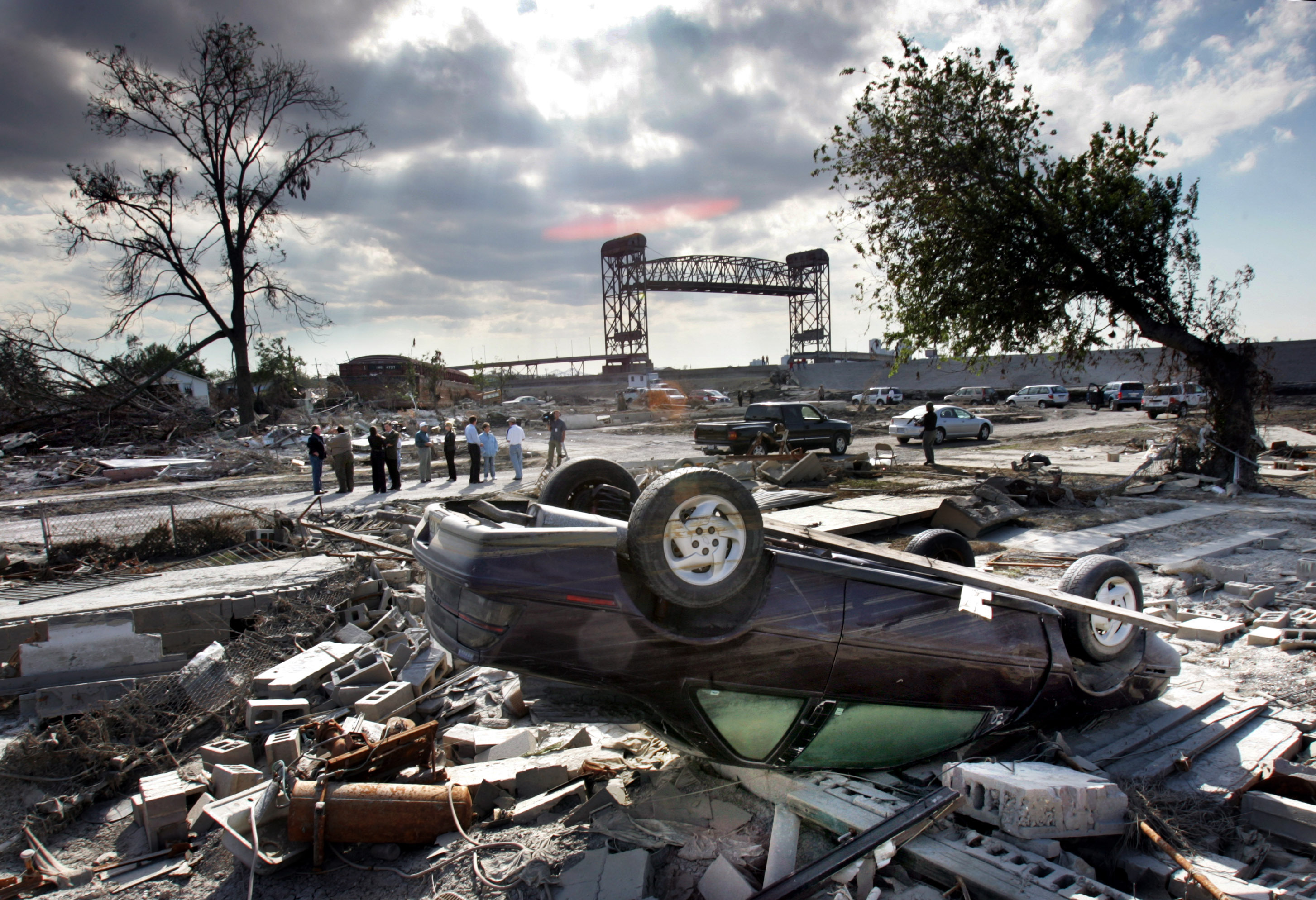
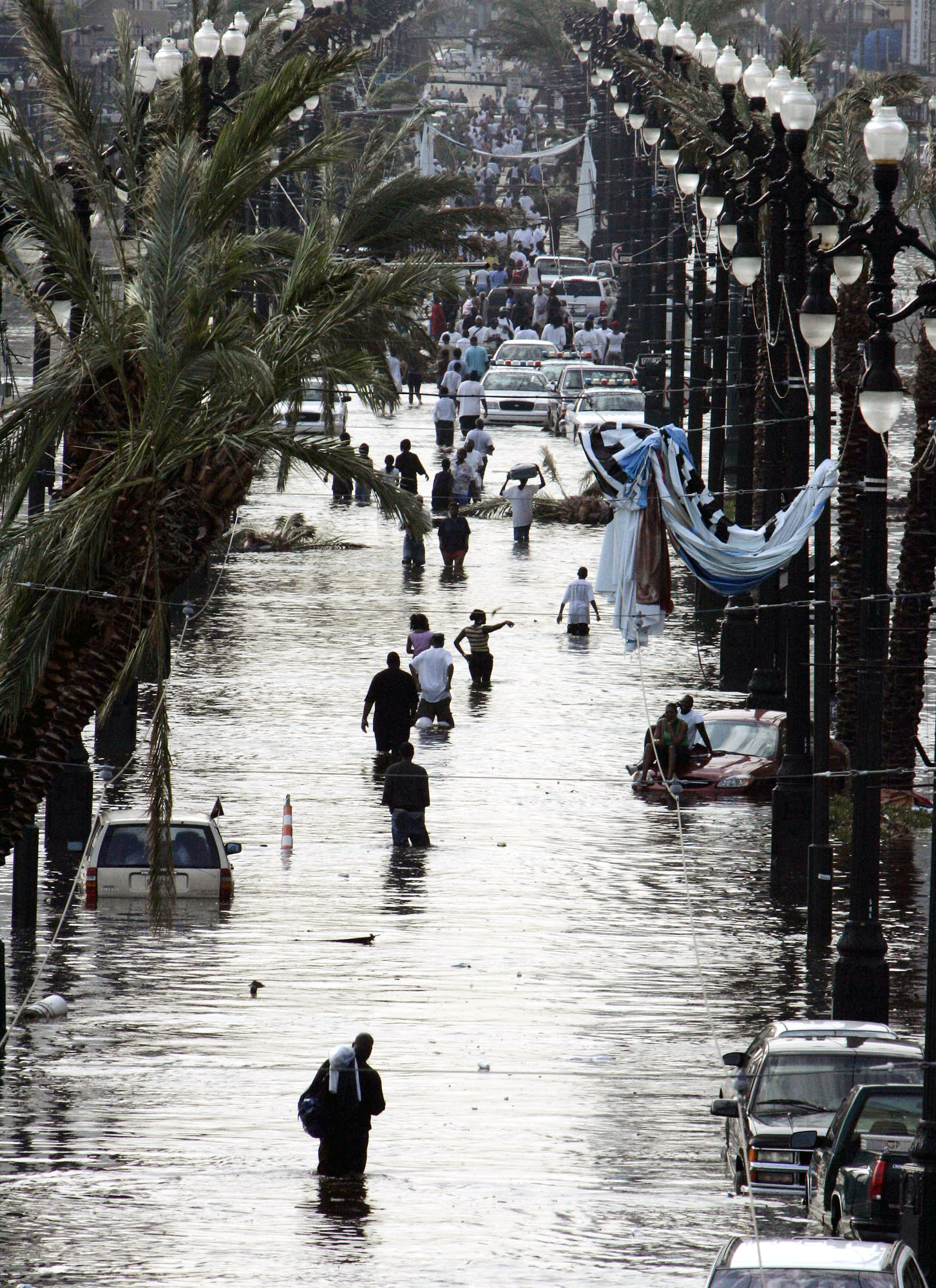
Scenes of desperation were broadcast worldwide on August 29, 2005, from across the southern United States city of about 500,000 people, particularly from its inundated and predominantly Black Ninth Ward.
The storm, which targeted Gulf Coast states and killed more than 1,800 people in total, was the third deadliest hurricane on the US mainland since 1900. It quickly became a mass displacement event often compared to the Great Plains exodus during the 1930s Dust Bowl.
In its wake, Katrina's generational destruction laid bare stark realities of rampant racial and economic inequality, prompting a passionate – if incomplete – reckoning over both local policies and national responsibilities to vulnerable communities before and after extreme weather events.
Two decades later, the storm's legacy continues to haunt many experts in the emergency disaster field, a spectre that has grown larger as many warn the administration of US President Donald Trump may be repeating the same mistakes as it weighs gutting federal capacity.
Alessandra Jerolleman, a director at Loyola University of New Orleans, said Katriana shattered the assumption that Americans would inevitably be protected in times of crisis, laying bare the fragility of the systems meant to safeguard them.
"Katrina laid bare this idea that in an American city, people could be stuck, people could be stranded without basic resources, and the federal government could be too slow and somewhat unable to get people out," Jerolleman told Al Jazeera.
The head of research at the Center on Environment, Land, and Law, who was living in St Bernard Parish when the hurricane struck, said that this revelation was "very shocking" for many at the time.
"There were a lot of things that went wrong that really increased the misery that individuals felt," she said.
"And I would be concerned that with a large catastrophic event today, we would be in a similar position."

A reckoning over emergency response
To be sure, disasters like Katrina can rarely be attributed to a single source, natural or man-made. A confluence of factors and failures – including local mismanagement of the city's flood levees and a poorly planned pre-storm evacuation strategy – heightened the storm's catastrophic might.
But the bungling response of the Federal Emergency Management Agency (FEMA), a federal agency created in the 1970s to coordinate emergency responses when local and state resources are overwhelmed, has been one of the storm's most enduring narratives.
"The response to Katrina, I think, woke up a lot of people in the American public about the importance of having a functioning federal government, and particularly a functional emergency management agency in moments of crisis," said Samantha Montano, an author and associate professor of emergency management at Massachusetts Maritime Academy.
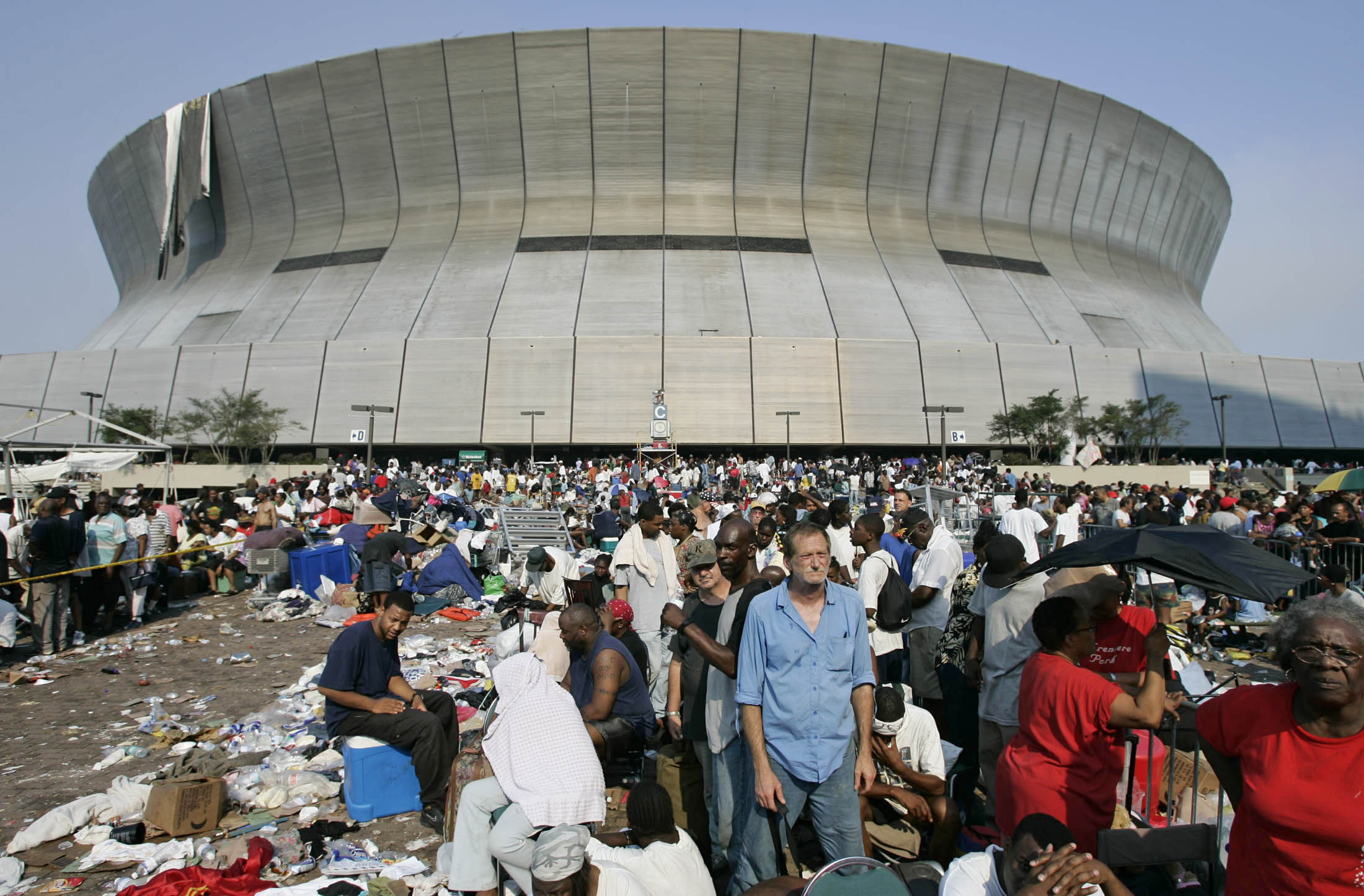
The shock to the national conscience was undergirded by accounts from some of the over 25,000 residents who sought shelter at the New Orleans Superdome.
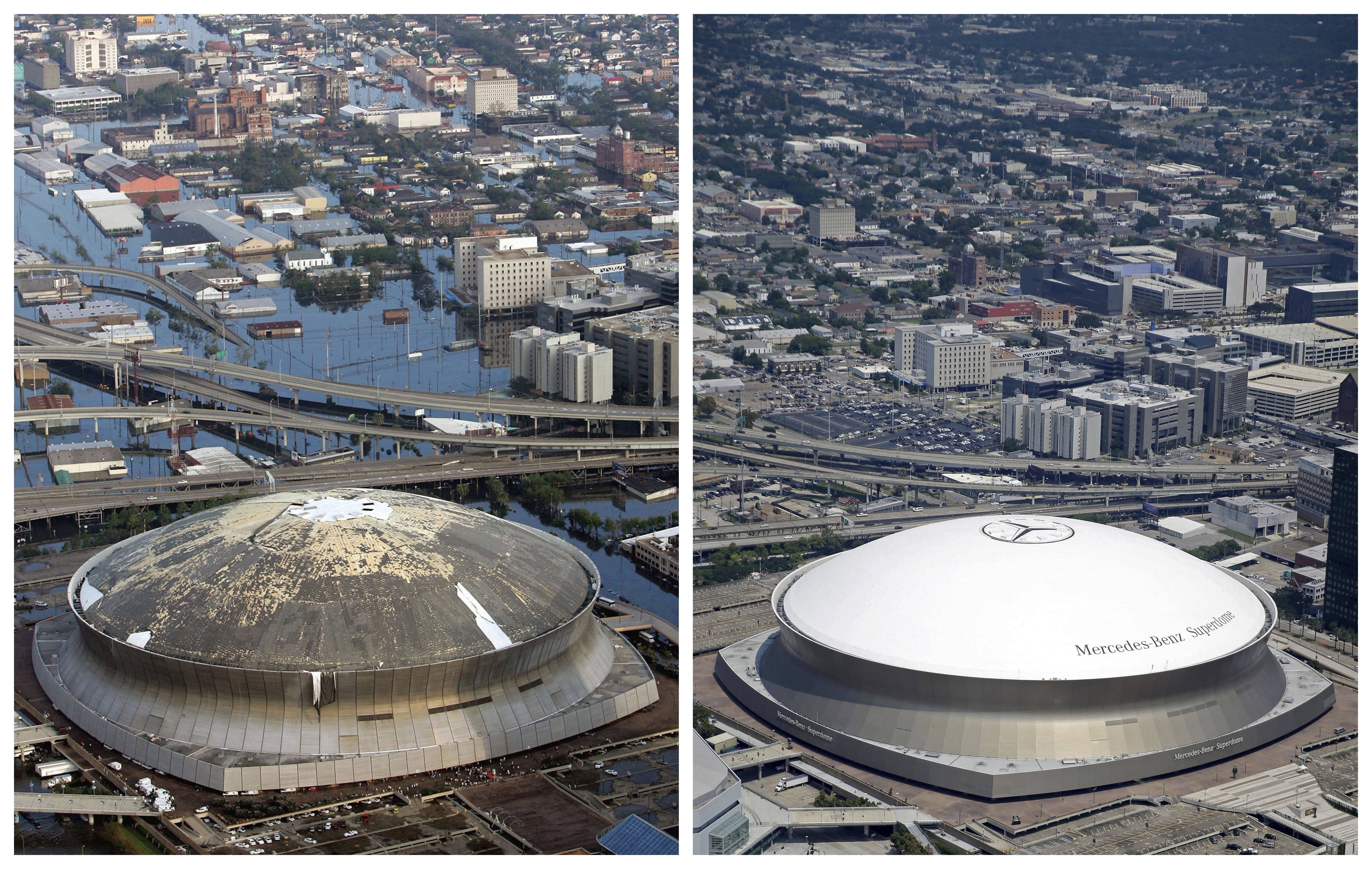
FEMA employees later testified to Congress about a critical lack of supplies at the facility, which critics say led to dire conditions, including crime, squalor and the suicide of one evacuee who reportedly jumped from a 15-metre (50-foot) walkway in the stadium.
Chaotic relocation efforts meant it took several days before most residents were moved to the relative stability of nearby Houston, Texas.
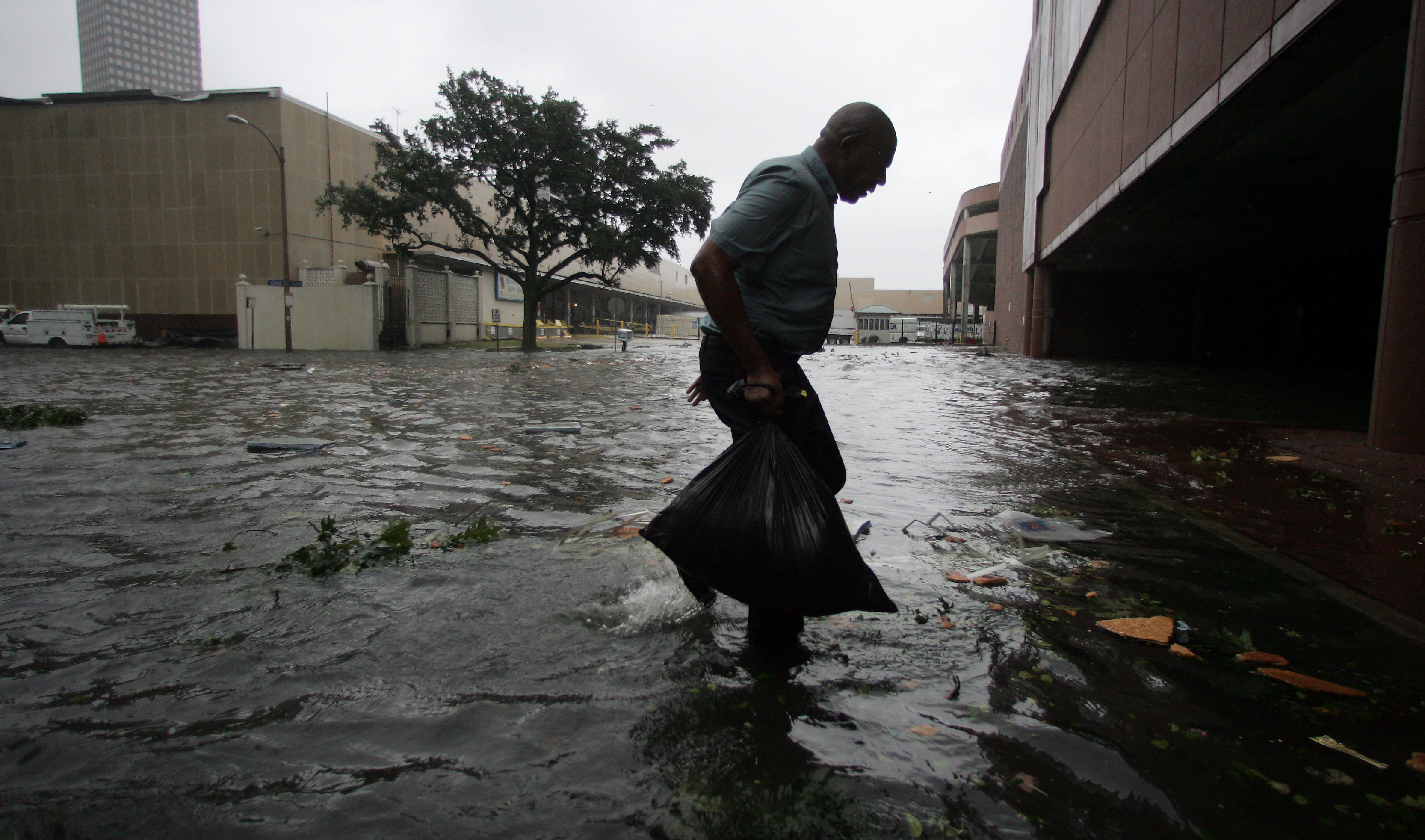
Montano pointed to a "laundry list" of failures from FEMA, as well as the federal agencies it was meant to coordinate, ahead of the storm and as floodwaters receded after covering nearly 80 percent of the city.
Officials accused the agency of failing to preposition enough aid as the storm approached, wasting valuable time in the catastrophic aftermath as it struggled to coordinate a vast array of entities ready to provide relief. The agency repeatedly clashed with local medical and emergency responders, at times hindering life-saving operations.
Some saw the root of the problem in the agency's recent move to the newly founded Department of Homeland Security, which was created following the September 11, 2001, attacks, and a diversion from its core focus on emergency responses to natural hazards.
Others have pointed to the agency's administrator at the time, Michael Brown, having no formal emergency management experience, a trait that had become common among presidential appointees to the role.


Stunted progress
A tangle of investigations at every level of government defined the years after the floodwaters receded, informing a wide-scale rethinking of federal government disaster response.
"Katrina is kind of the event of record in modern US emergency management that has kind of guided the work of the field the past 20 years," Montano said, pointing to an increased emphasis on expertise, research and the professionalisation of the emergency management field, as well as increased emphasis on equity and a pivot towards more preventative measures.
During Trump's first term, in 2020, FEMA launched the Building Resilient Infrastructure and Communities (BRIC) programme, aimed at pre-emptively building resiliency against natural disasters. The administration of former President Joe Biden surged funding to mitigation programmes, with a renewed emphasis on climate change resilience.
But even as the woes unveiled by Katrina continued to resonate, a counterforce in US politics, fuelled by unrest over the rising price of emergency response, continued to grow.
Despite the federal government's shortcomings ahead of Katrina, federal disaster response had for decades been seen as a relatively bipartisan issue, Loyola's Jerolleman explained. Increasingly over the last 10 to 15 years, it has been lumped into wider criticism of social safety net programmes, which have been largely curtailed under Trump's second term.
Indeed, Project 2025, a conservative policy plan that has had an outsized influence over the Trump administration, envisioned seriously shrinking federal spending on emergency management and disasters.
This includes creating a higher threshold for emergency declarations, which activate federal resources, terminating disaster prevention grants, and doing away with the federal flood insurance programme.
"There is certainly an ideological split in this country with regards to how much responsibility there is to people, how much we should have a social safety net," Jerolleman said.
“And within that is this question of ‘deservedness,’” she added. “This question of ‘Should people be doing more to help themselves? What does that look like?’ – and that is an underlying tension in our democracy that has had an impact on disasters.”

Roberto Barrios, a professor of anthropology at the University of New Orleans who studies disaster relief, also pointed to the increasing rejection of both climate science and racial equity under Trump's Make America Great Again (MAGA) movement.
That has corroded what he said were already lacking federal efforts to address the social inequalities at the root of major natural disasters.
"In the early 2000s, as a nation, we were moving in the direction that we were now a post-racial society. And Katrina slapped us in the face, showing us this tremendous racial inequity in terms of who lives, who dies," he told Al Jazeera. "Socioeconomic inequity reduction is disaster risk reduction, and that's something that FEMA still didn't learn in the aftermath of Katrina."
"Now the present administration is completely wiping away any critical discussions of issues of race and inequity from the map," he said.
Lessons 'unlearned'
Trump entered his second term espousing a maximalist approach to FEMA, under which he would "wean off" reliance on the agency and "bring it back" to the state level. The president, known for headline-grabbing hyperbole, envisioned "phasing out" the agency as soon as December 2025
But following deadly flooding in Texas in July, Trump appeared to soften his stance, saying instead the agency needs to be overhauled. A clearer vision has yet to be elucidated.
In the meantime, the administration appears to be taking a more patchwork approach, diverting or pausing some funding, while cleaving thousands of jobs at the already understaffed agency.
His administration has simultaneously cut staff at the National Weather Service, at a time when climate scientists warn that weather monitoring is more important than ever as extreme storms intensify faster due to climate change.
Trump's administration remains locked in a legal battle over efforts to withdraw $4bn in funding to localities across the country for disaster mitigation, granted under BRIC, which has since been frozen.
In a return to pre-Katrina convention, experts also noted that Trump has appointed a top official, David Richardson, as acting FEMA administrator, with no relevant emergency management qualifications. A policy requiring personal approval from Kristi Noem for FEMA expenditures more than $100,000 has prompted further disquiet over the agency's ability to move quickly.
And on Monday, more than 180 current and former FEMA employees published a letter warning that debilitating cuts to the agency risk a catastrophe like the one seen after Hurricane Katrina.
The next day, dozens of those who signed the letter were placed on administrative leave by the administration.
All told, experts say the administration's approach to federal disaster response remains clouded in a haze of uncertainty, defined by a listlessness not unlike that seen before Katrina.
"The field of emergency management has spent the last 20 years trying to make up for what happened during Katrina, to try and make sure that those failures don't happen again," author Montano told Al Jazeera.
"It had seemed like months ago like we were going to be in a position to say that major changes have been made, and that although there was still more work to be done, lessons had been learned, and we were progressing as a field," she said.
"But unfortunately, at the 20-year anniversary, it seems that those lessons that were learned in Katrina have been unlearned, and unfortunately, we are back in an incredibly precarious position," she said.