Israel strike on Beirut kills senior Hezbollah commander
Lebanese armed group confirms killing of Haj Youssef Ismail Hashem in an Israeli attack.
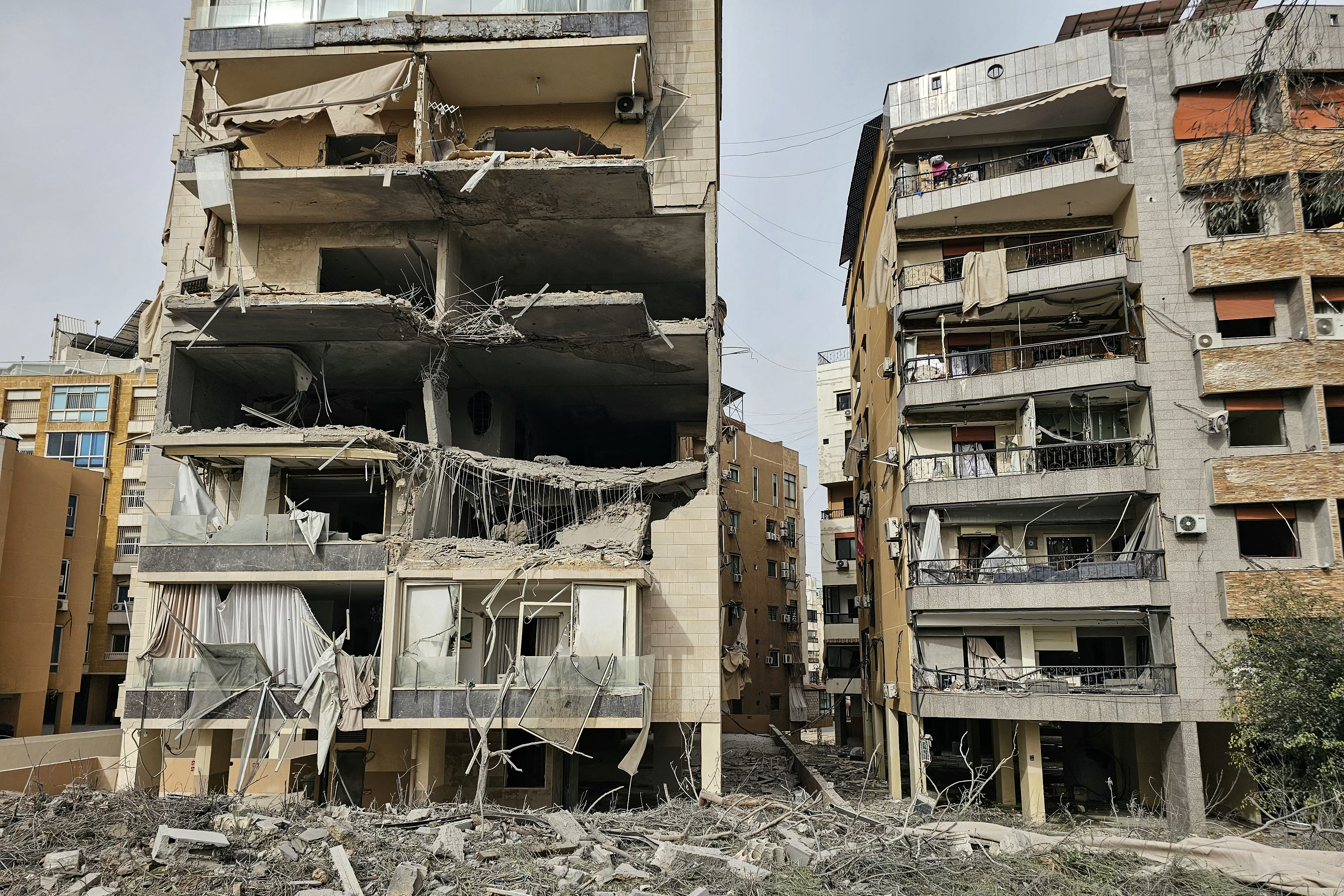
Israeli ‘targeted assassination’ in Lebanon's Beirut causes widespread damage
Israel has killed a senior Hezbollah commander in an attack on Beirut that killed at least seven people, according to Lebanon’s Ministry of Public Health.
Israel’s navy killed Haj Youssef Ismail Hashem, the commander of Hezbollah’s southern front, Israeli military spokesperson Avichay Adraee said in a statement on X on Wednesday. Hezbollah later confirmed his death in a statement, calling him a “beacon of the Islamic Resistance.”
Recommended Stories
list of 3 items- list 1 of 3UN aid chief warns of new Israeli occupation in southern Lebanon
- list 2 of 3Analysis: Hezbollah backs Iran ambassador as conflict deepens Lebanon rifts
- list 3 of 3UN aid chief warns of new Israeli occupation in southern Lebanon
Hashem is the most senior Hezbollah commander since Lebanon was drawn into the United States-Israel war on Iran on March 2, when Hezbollah launched attacks on Israel to support its ally, Iran. Israel has responded with broad attacks across Lebanon and a ground invasion.
The Israeli raid hit Beirut’s Jnah area, killing at least seven people, the Health Ministry said. A separate strike late on Tuesday hit Khaldeh, just south of the capital, killing two people and injuring three.
Al Jazeera’s Zeina Khodr, reporting from the site of the strike in Jnah, said security sources referred to the incident as a targeted assassination.
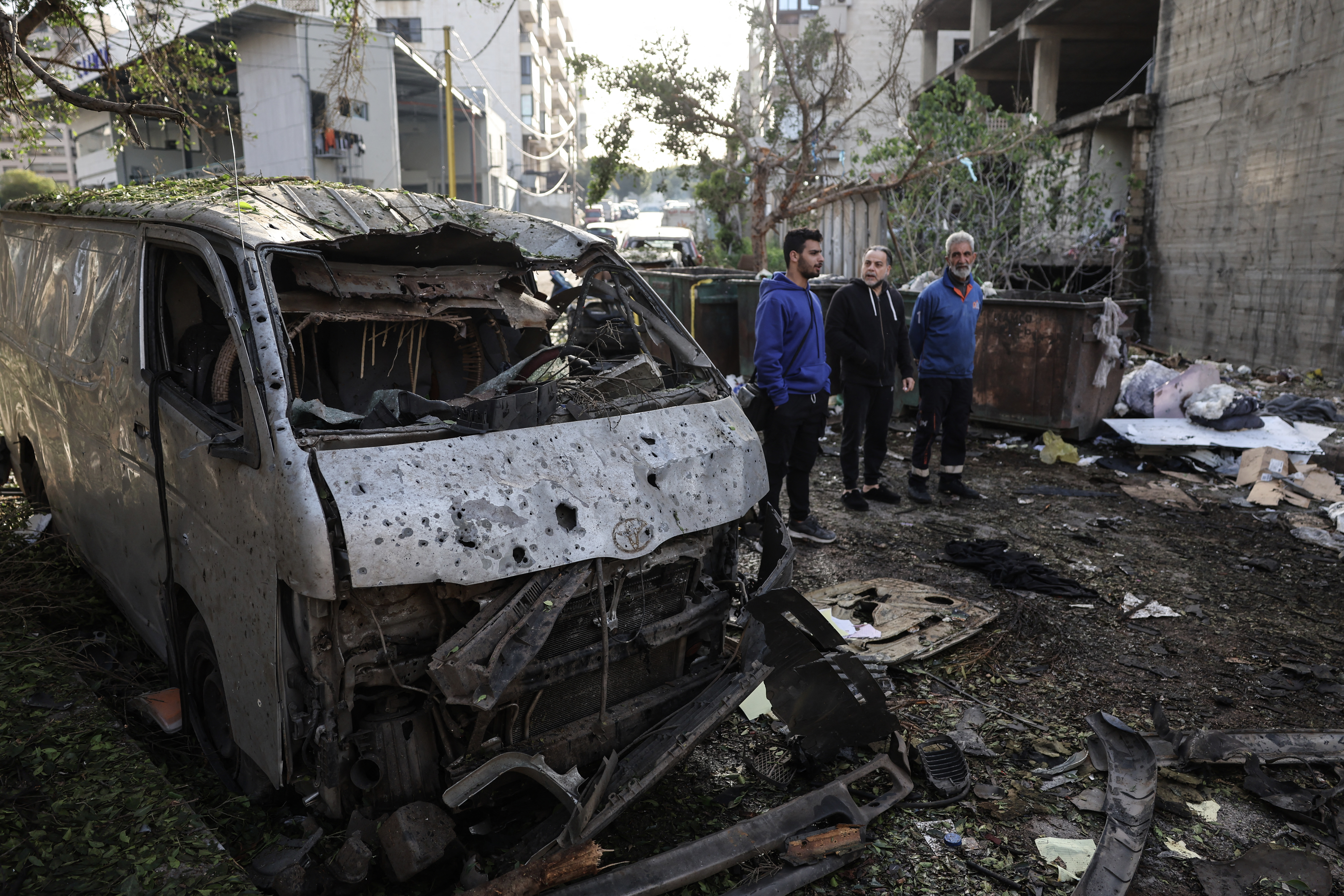
“It is not clear whether the attack targeted two cars or one,” Khodr said. “There were a lot of vehicles parked on the side of the road because there is a school nearby, where displaced people are taking shelter.”
Hezbollah on Wednesday claimed cross-border attacks against Israel and said its fighters were engaged in “fierce clashes” with soldiers in the Lebanese town of Shamaa, about 5km (3 miles) from the border. It also claimed rocket fire against a group of Israeli soldiers in another area.
Israeli media on Tuesday night said a barrage of more than 40 rockets had been fired by Hezbollah, which also claimed multiple attacks on northern Israel.
Its military reported several casualties among its ranks in recent days in south Lebanon. At least 10 Israeli soldiers have been reported killed since the latest round of fighting with Hezbollah flared up.
Three United Nations peacekeepers from the UN Interim Force in Lebanon (UNIFIL) were also killed in southern Lebanon this week, leading to an investigation into the incident.
The death toll in Lebanon stands at more than 1,200 people, with more than a million displaced, according to the country’s Health Ministry.
Israel’s far-right ministers have urged Israeli Prime Minister Benjamin Netanyahu to annex southern Lebanon, as the military destroyed bridges and homes to cut the area off from the rest of the country.
Netanyahu instructed the army earlier this week to further expand the invasion of southern Lebanon to “fundamentally change the situation in the north [of Israel]”.
Khodr said there was apprehension in Lebanon after Israeli Defence Minister Israel Katz on Tuesday said that houses in Lebanese villages near the Israeli border would be demolished and that 600,000 people who fled the south would not be allowed home until Israel was secure.
“There are fears that Israeli troops intend to permanently stay, or at least use this as leverage to get Hezbollah to disarm and the Lebanese government to agree to any conditions that [Israel] wants,” the Al Jazeera reporter said.
Lebanese Prime Minister Nawaf Salam formally banned Hezbollah’s military activities last month and called upon the army to “prevent any attacks originating from Lebanese territory”.
But the Iran-allied Lebanese armed group, which operates independently from the Lebanese government, has refused to disarm and has maintained it needs to repel Israeli attacks.
